
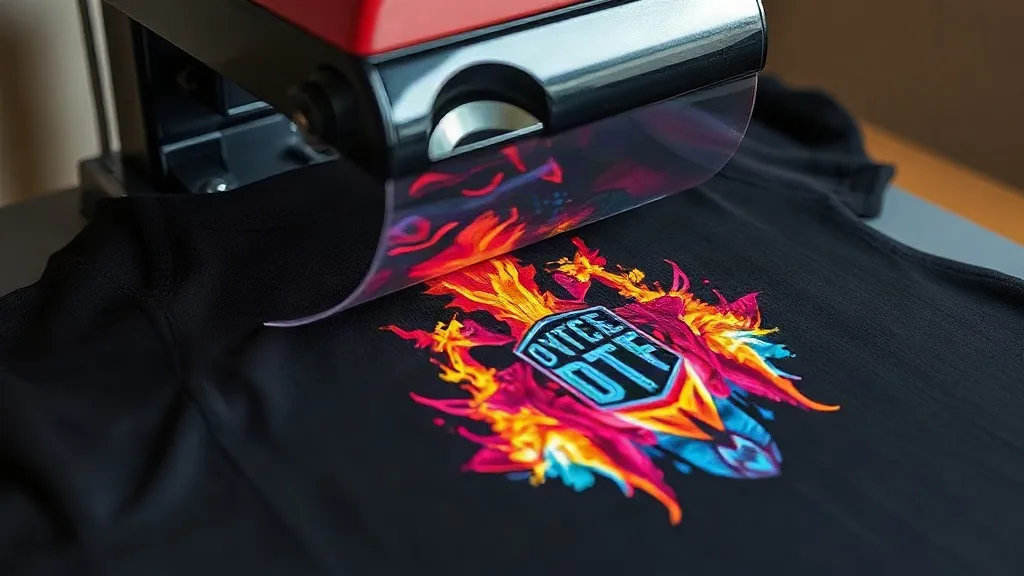
If you've been in the custom apparel game for any length of time, you've likely heard the buzz around dtf printing. It's not just another trend; it's a genuine shift in how we approach garment decoration. Unlike traditional methods that lock you into specific fabrics or colors, dtf transfers offer a level of freedom that feels almost too good to be true. But what exactly makes this technology so special, and how can you leverage it to produce stunning, long-lasting results? Let's dive deep into the world of DTF and uncover the practical knowledge you need to succeed.
What Are DTF Transfers and Why They Matter
At its core, DTF stands for Direct to Film. The process involves printing a design onto a special PET film using water-based pigments, then applying a thermoplastic polyurethane (TPU) powder to the wet ink. After curing, the transfer is ready to be heat-pressed onto a garment. The magic lies in the adhesive powder: it bonds the ink to the fabric, creating a flexible, stretchable print that adheres to cotton, polyester, blends, and even treated nylon. This versatility is a game-changer for shops that want to offer diverse products without investing in multiple printing setups.
Why does this matter for your business? Because customers demand choice. They want a design on a tri-blend tank top, a 100% cotton hoodie, and a polyester performance jersey, all with the same vibrant colors. DTF handles all three with ease. Plus, the ability to print full-color, photographic-quality images without color separation or weeding makes it incredibly efficient for small batches and complex artwork.
How DTF Compares to DTG and Screen Printing
Direct-to-garment (DTG) printing is often compared to DTF, but they cater to different needs. DTG requires pre-treatment and works best on 100% cotton; on polyester, the colors can look dull or fade quickly. DTF, on the other hand, produces brilliant colors on dark and light fabrics alike, and the hand feel is soft yet durable. Screen printing remains the king of long runs, but it's costly for short runs and limited in color complexity. DTF shines in the middle ground: short to medium runs, intricate designs, and mixed fabric types.
Key Benefits That Set DTF Apart
- No pre-treatment needed: Save time and avoid chemicals.
- Works on almost any fabric: Cotton, polyester, blends, leather, and more.
- Unlimited colors: Print gradients, photos, and fine details without extra cost.
- Durable and stretchable: The TPU powder creates a strong bond that withstands washing and wearing.
- Cost-effective for short runs: No screens or setup fees, making it ideal for custom orders.
Choosing the Right DTF Supplies for Your Shop
Not all DTF supplies are created equal. The quality of your film, ink, and powder directly impacts the final output. For film, look for a double-sided matte PET film that prevents ink from bleeding and allows for easy powder application. Inks should be vibrant, water-based, and compatible with your printer's printhead. The powder must be a fine-grain TPU with a low melting point to ensure a smooth, flexible finish.
When sourcing supplies, consider the environment. Some films are designed for hot peel, others for cold peel. Hot peel films allow you to remove the carrier sheet immediately after pressing while the transfer is still hot, speeding up production. Cold peel films require the transfer to cool completely before peeling, which can yield a slightly glossier finish. Experiment to see which works best for your workflow and customer preferences.
Printer and RIP Software Considerations
You don't need a specialized DTF printer to get started; many converted Epson printers work well. However, you do need a reliable RIP (Raster Image Processor) software to manage color profiles, ink limits, and white ink layering. The white ink layer is crucial for printing on dark garments, as it acts as a base for the colors. Without proper RIP settings, your whites may not be opaque enough, leading to dull colors. Invest time in calibrating your printer and software to achieve consistent results.
Step-by-Step DTF Transfer Application
Applying a DTF transfer is straightforward, but attention to detail ensures a professional finish. Here's a proven process:
- Preheat your heat press: Set the temperature to 300-320°F (150-160°C) for cotton and blends. For polyester, lower to 280-300°F (140-150°C) to avoid scorching.
- Position the transfer: Place the transfer on the garment with the printed side facing up. Use heat tape if needed to keep it in place.
- Press with medium pressure: Press for 10-15 seconds. Too little pressure and the transfer won't adhere; too much and the ink may spread.
- Peel the film: For hot peel, remove the film immediately in a smooth, continuous motion. For cold peel, wait until it cools completely.
- Post-press for durability: Cover the transfer with a Teflon sheet or parchment paper and press again for 5-10 seconds. This ensures the TPU powder fully melts and bonds.
Always test on a scrap garment first. Different fabrics and transfer sizes may require slight adjustments in temperature, pressure, or time. Keep a log of your settings for each fabric type to maintain consistency.
Common Mistakes to Avoid
Even seasoned pros make mistakes. One common error is insufficient pressure, which leads to poor adhesion and early peeling. Another is peeling the film too quickly; if you see jagged edges or incomplete transfer, you likely peeled before the powder fully bonded. Also, be mindful of moisture: if your garment has absorbed humidity, pre-press it for a few seconds to evaporate moisture before applying the transfer.
Maximizing Durability and Washability
Customers expect their custom apparel to last. To ensure your DTF prints survive numerous washes, follow these guidelines:
- Wash inside out in cold water.
- Avoid fabric softeners and bleach.
- Tumble dry on low or hang to dry.
- Do not iron directly on the print.
When applied correctly, DTF transfers can outlast the garment itself. The key is proper curing during application. If the powder isn't fully melted, the print may crack or peel over time. Invest in a quality heat press with accurate temperature control and even pressure distribution.
Creative Applications Beyond T-Shirts
DTF isn't just for tees. It's perfect for tote bags, pillow covers, denim jackets, caps, and even shoes. The flexibility of the transfer allows it to conform to curved surfaces and seams. For items with zippers or buttons, you can print smaller transfers and apply them in sections. This opens up a world of custom products that can set your shop apart from competitors.
Consider offering personalized gifts, corporate swag, or limited-edition merchandise. The low setup cost makes it feasible to do one-off pieces, which is a huge advantage for artists and small businesses.
Frequently Asked Questions About DTF Transfers
Can I use DTF transfers on 100% polyester?
Yes, DTF works beautifully on polyester. However, polyester is heat-sensitive, so lower your press temperature to around 280-300°F (140-150°C) and use light pressure. Always test first to avoid dye migration, which can occur if the temperature is too high.
How long do DTF transfers last?
With proper application and care, DTF transfers can last as long as the garment. They withstand 50+ washes without significant fading or cracking. Following the washing instructions is crucial for longevity.
Do I need a special printer for DTF?
You can convert many desktop printers, such as Epson EcoTank models, to print DTF. You'll need DTF ink, film, powder, and RIP software. Some printers require a modified printhead or a roll feeder for larger volumes.
What is the difference between hot peel and cold peel DTF film?
Hot peel film allows you to remove the carrier sheet immediately after pressing while the transfer is still hot. Cold peel film requires the transfer to cool completely before peeling. Hot peel is faster, while cold peel can produce a slightly smoother finish.
Can I layer DTF transfers?
Yes, you can layer DTF transfers, but it's best to apply the bottom layer first, press it, then apply the top layer and press again. This ensures each layer adheres properly. Keep in mind that layering may increase the thickness of the print.
DTF technology has democratized custom apparel printing, making it accessible to small businesses and hobbyists alike. By mastering the supplies, application, and care, you can deliver outstanding products that keep customers coming back. Whether you're new to DTF or looking to refine your technique, the key is practice and attention to detail. So fire up your printer, press some transfers, and watch your creations come to life.