
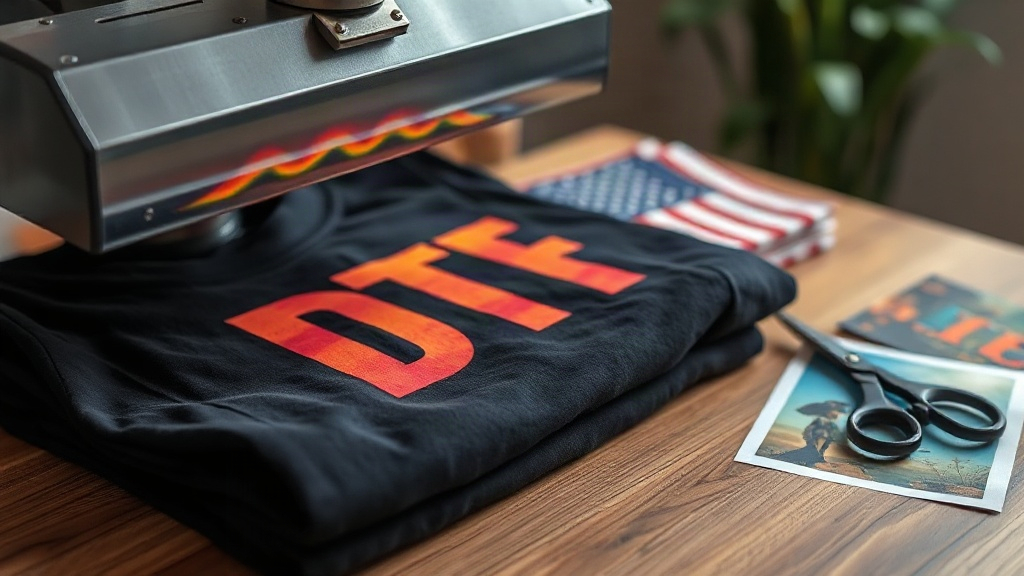
When you first dive into the world of DTF transfers, it's easy to get caught up in the excitement of vibrant colors and intricate designs. But here's the thing: the success of your transfer isn't just about the print itself. It's about what you're printing on. I learned this the hard way after ruining a batch of shirts because I didn't pay attention to the fabric blend. That mistake cost me time, money, and a lot of frustration. So today, I want to share what I've discovered about pairing DTF transfers with two of the most popular blank apparel brands out there: Shaka Wear and Smart Blanks. Whether you're a seasoned pro or just starting out, this guide will help you avoid the pitfalls and get professional results every time.
Why the Blank You Choose Matters for DTF Transfers
DTF, or Direct to Film, transfers are incredibly versatile. They adhere to a wide range of materials, from cotton to polyester and even blends. But not all blanks are created equal. The fabric content, weave, and finish can dramatically affect how well the transfer sticks, how it feels, and how long it lasts. I've seen transfers peel off after a single wash because the shirt had a heavy silicone finish. I've also seen prints that cracked because the fabric was too stretchy. So before you hit that heat press, you need to know your blank.
Cotton vs. Polyester: The DTF Difference
Cotton is the most forgiving fabric for DTF transfers. It's porous, holds the adhesive well, and feels great. Polyester, on the other hand, can be tricky. It's smoother and often has a coating that repels adhesives. That's why I always recommend testing a small area first. But here's the good news: both Shaka Wear and Smart Blanks offer options that work beautifully with DTF if you know which ones to pick.
Shaka Wear: A Favorite for Streetwear and DTF
Shaka Wear has become a go-to for streetwear brands and print shops alike. Their heavyweight cotton tees are legendary for their durability and boxy fit. But how do they handle DTF transfers? In my experience, very well. The key is to choose their 100% cotton styles. Their 6.0 oz and 7.5 oz tees are dense and take transfers like a champ. The fabric's tight weave means less adhesive bleed, so your design stays crisp.
However, Shaka Wear also offers poly-cotton blends. These can work, but you'll need to adjust your press settings. Lower temperature and shorter time are usually necessary to avoid scorching or uneven adhesion. I learned to keep a notebook with settings for each style. It sounds old-school, but it saves a lot of guesswork.
Application Tips for Shaka Wear
- Pre-press: Always pre-press for 5-7 seconds to remove moisture and wrinkles. This step is crucial for Shaka Wear because their heavy cotton can retain moisture.
- Pressure: Use medium to high pressure. The dense fabric needs good contact for the adhesive to penetrate.
- Temperature: For 100% cotton, set your press to 325°F (160°C). For blends, drop to 300°F (150°C).
- Peel: Wait until the transfer is completely cool before peeling. This prevents the design from stretching or lifting.
One more thing: Shaka Wear tees tend to have a slightly rough texture. That's actually a plus for DTF because it gives the adhesive more surface area to grip. Just make sure your transfer film is high quality. Cheap films can leave a plastic-y feel that ruins the premium look.
Smart Blanks: Affordable and DTF-Friendly
If you're looking for budget-friendly options without sacrificing quality, Smart Blanks is a name you should know. They cater to a wide range of needs, from basic tees to hoodies and tank tops. What I appreciate most is their consistency. I've ordered hundreds of Smart Blanks shirts, and the sizing and fabric weight are always spot-on. For DTF transfers, their 100% cotton line is a safe bet. The fabric is soft, smooth, and takes transfers evenly.
But Smart Blanks also has some polyester performance shirts. These are designed for athletic wear, and they can be a challenge for DTF. The fabric is slick and often treated with moisture-wicking agents. If you're set on using these, look for a DTF film specifically formulated for polyester. Also, consider using a lower temperature and a longer press time to allow the adhesive to bond without melting the fabric.
Application Tips for Smart Blanks
- Pre-press: Even more important for Smart Blanks because their fabrics can have manufacturing residues. A good pre-press ensures a clean surface.
- Pressure: Medium pressure works well for most Smart Blanks styles. Too much pressure can cause the fabric to stretch and the transfer to distort.
- Temperature: Stick to 300°F (150°C) for blends and 325°F (160°C) for cotton. Always check the care label.
- Peel: For best results, use a warm peel for Smart Blanks poly blends. This means peeling while the transfer is still warm, not hot. It helps the adhesive release cleanly.
Another tip: Smart Blanks offers a range of colors, including some deep blacks and vibrant heathers. DTF transfers show up beautifully on these, but be aware that dark colors require a white underbase. Most DTF films already include a white layer, so you're covered. Just make sure your design has enough contrast.
Comparing Shaka Wear and Smart Blanks for DTF Transfers
So, which one should you choose? It depends on your project. Shaka Wear is ideal for heavyweight, streetwear-style garments where durability and structure are key. Their tees are like armor for your designs. Smart Blanks, on the other hand, is perfect for cost-effective projects, promotional items, or when you need a wide variety of styles. Both brands have their strengths, and I keep both in my shop.
From a DTF perspective, Shaka Wear cotton takes a bit more heat and pressure, but the result is a transfer that can withstand dozens of washes. Smart Blanks cotton is easier to press and feels softer out of the box, but may not last quite as long under heavy wear. Neither is better; they just serve different purposes.
Durability and Wash Testing
I've done my own wash tests, and here's what I found: DTF transfers on Shaka Wear 100% cotton lasted over 50 washes with minimal fading. On Smart Blanks 100% cotton, they lasted about 40 washes before slight cracking appeared. On poly blends from both brands, durability dropped to around 30 washes unless I used a poly-specific film. These numbers aren't lab-certified, but they give you a realistic idea.
To maximize longevity, always turn the garment inside out and wash in cold water. Avoid fabric softener and dryer sheets, as they can break down the adhesive. Tumble dry low or hang dry. These simple steps can add months to the life of your print.
Choosing the Right DTF Transfer for Your Blank
Not all DTF transfers are created equal. When you're working with Shaka Wear or Smart Blanks, look for transfers that specify compatibility. High-quality DTF films have a flexible adhesive that moves with the fabric. If you're printing your own transfers, invest in a good printer and ink. The cheap stuff will cost you more in the long run.
Also, consider the finish. Some DTF transfers have a glossy look, while others are matte. On Shaka Wear heavy cotton, a matte finish blends in beautifully. On Smart Blanks performance wear, a glossy finish can look sporty. It's a small detail, but it makes a difference in the final product.
Frequently Asked Questions
Can I use DTF transfers on Shaka Wear's 50/50 blends?
Yes, but you need to adjust your press settings. Lower the temperature to around 300°F and reduce pressure. Also, pre-press the garment for a few seconds to remove any moisture. The transfer may not be as durable as on 100% cotton, but it will still look good if applied correctly.
What's the best peel method for Smart Blanks polyester shirts?
For Smart Blanks polyester, a warm peel is usually best. Wait about 5-10 seconds after pressing, then peel the film away in a smooth, steady motion. If you peel too hot, the design can stretch; if too cold, it might crack.
Do I need a special DTF film for dark Shaka Wear tees?
No, standard DTF film includes a white ink layer that acts as a base for dark fabrics. However, for the best opacity, make sure your design has a solid white underbase. If you're buying transfers, look for ones that specify high opacity.
How long should I press DTF transfers on Smart Blanks hoodies?
Smart Blanks hoodies are often heavier and may have a fleece lining. Press for 15-20 seconds at 325°F with medium pressure. Pre-press for 10 seconds to flatten the fabric. Always test on a small area first.
Can I stretch DTF transfers on Shaka Wear tank tops?
DTF transfers have some stretch, but they aren't infinitely elastic. Shaka Wear tank tops are usually cotton, so they don't stretch much. If you're using a poly-spandex blend, choose a DTF film designed for stretch fabrics to avoid cracking.