
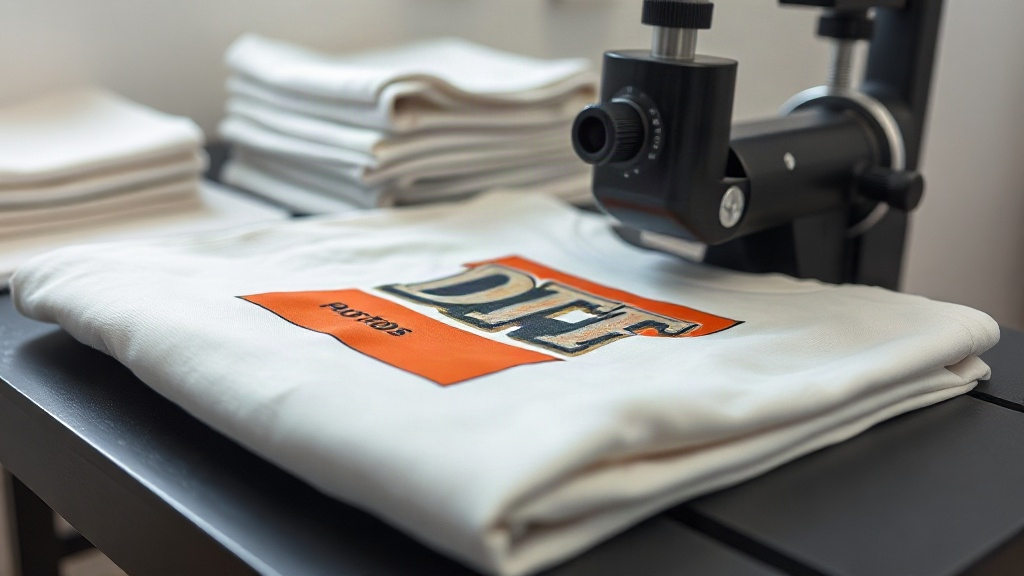
When you first start working with DTF transfers, the excitement of pressing a vibrant design onto a blank tee can quickly turn into frustration if the fabric doesn't cooperate. I learned this the hard way after ruining a dozen shirts from a local supplier. The prints cracked, peeled, or simply looked dull. That's when I switched to Shaka Wear and Smart Blanks, and the difference was night and day. In this guide, I'll share what I've discovered about matching DTF transfers with these two popular blank brands, so you can avoid the mistakes I made and get professional results every time.
Why DTF Transfers Are a Game-Changer for Custom Apparel
DTF, or direct-to-film, transfers have exploded in popularity for good reason. Unlike vinyl or screen printing, DTF lets you print full-color, photographic designs without weeding or color separation. The process involves printing your design onto a special film, coating it with adhesive powder, and then heat-pressing it onto fabric. The result is a soft, stretchable print that adheres to cotton, polyester, and blends. For small businesses and hobbyists alike, DTF transfers offer a low-cost entry into custom apparel with professional-looking results.
But here's the catch: not all blanks are created equal. The fabric's weave, fiber content, and finish can make or break your transfer. That's where Shaka Wear and Smart Blanks come in. Both brands have earned loyal followings among printers, but they serve slightly different needs. Let's break down what makes each one tick.
Shaka Wear: The Streetwear Favorite
Shaka Wear has become a go-to for streetwear brands and anyone who wants a heavyweight, boxy fit. Their tees are typically 100% cotton, often 6.5 oz or heavier, with a tight knit that provides a smooth canvas for DTF transfers. I've pressed hundreds of transfers onto Shaka Wear tees, and the results are consistently sharp. The fabric's density means less ink absorption into the weave, so colors stay vibrant.
What to Watch For with Shaka Wear
Because Shaka Wear tees are heavyweight, they need a bit more heat and pressure to get the adhesive to fully penetrate. I recommend pre-pressing the shirt for 5-7 seconds to remove moisture, then pressing the transfer at 325°F for 15-20 seconds with medium-heavy pressure. If you're using a home iron, forget it. You need a heat press for consistent results. Also, Shaka Wear's boxy cut means the print area is larger, so plan your design placement accordingly.
One more thing: Shaka Wear offers several fabric blends, including some with polyester. Always check the label. For DTF transfers, a higher cotton content generally gives a softer hand feel, while polyester can make the print look glossier. I prefer their 100% cotton styles for a matte, retail-ready finish.
Smart Blanks: The Budget-Friendly Workhorse
If you're just starting out or need to keep costs down, Smart Blanks is a solid choice. Their tees are lighter weight, often around 5.3 oz, and come in a wide range of colors. The fabric is typically a cotton-poly blend, which actually works well with DTF transfers because the polyester content helps the adhesive bond. I've found that Smart Blanks tees take transfers quickly and with less pressure than Shaka Wear.
Getting the Best Results with Smart Blanks
Smart Blanks' lighter fabric means you need to be careful not to scorch it. Lower the temperature to 300-310°F and press for 10-15 seconds. Too much heat can cause the fabric to yellow or the transfer to over-melt, leading to a plastic-y feel. Also, because the fabric is thinner, you might see the transfer's edges more if you don't trim closely. I always trim my DTF transfers right to the edge of the design to avoid a visible film border.
Another tip: Smart Blanks offers both crew necks and v-necks, and the v-necks can be tricky because of the seam. Make sure your transfer doesn't overlap the collar seam, or it may peel prematurely. I learned that the hard way during a bulk order for a local gym.
Comparing DTF Transfer Performance on Both Blanks
To give you a clear picture, here's a side-by-side comparison based on my testing:
- Shaka Wear: Heavier fabric, requires higher heat and pressure, excellent durability, minimal fading after 50 washes. Best for premium streetwear.
- Smart Blanks: Lighter fabric, lower heat and pressure, good durability but may show slight cracking after 30 washes if not applied perfectly. Best for budget projects and promotional items.
Both brands work well with DTF transfers, but your choice depends on your end goal. If you're selling $40 tees, go with Shaka Wear. If you're printing 100 shirts for a family reunion, Smart Blanks will save you money without sacrificing too much quality.
Step-by-Step: Applying DTF Transfers to Shaka Wear and Smart Blanks
Here's my tried-and-true process that works for both brands, with adjustments noted:
- Pre-press the garment: 5 seconds at 325°F for Shaka Wear, 300°F for Smart Blanks. This removes wrinkles and moisture.
- Position the transfer: Place it adhesive-side down. Use thermal tape if needed to keep it in place.
- Press: Shaka Wear: 325°F, 15-20 seconds, medium-heavy pressure. Smart Blanks: 300-310°F, 10-15 seconds, medium pressure.
- Peel: Wait 10-15 seconds for the transfer to cool slightly, then peel the film in a smooth, consistent motion. If you see the design lifting, press again for 5 seconds.
- Post-press: For extra durability, cover the design with parchment paper and press for another 5 seconds. This helps the adhesive fully cure.
I can't stress enough how important it is to test on a scrap piece of fabric before committing to a full order. Every heat press runs a little differently, and humidity can affect results. Keep a log of your settings for each brand and fabric type.
Common Pitfalls and How to Avoid Them
Even with the right blanks, things can go wrong. Here are the most common issues I've encountered and how to fix them:
- Peeling after washing: Usually caused by insufficient pressure or time. Increase pressure and add 5 seconds to your press time.
- Cracking: Often happens with Smart Blanks if the transfer is over-stretched. Use a stretchable DTF film and avoid over-stretching the garment when wearing.
- Dull colors: Can be due to too much heat, which burns the ink. Lower the temperature and check your press's actual surface temp with an infrared thermometer.
- Film residue: If the film doesn't peel cleanly, it's likely too hot. Wait a few more seconds before peeling.
Remember, DTF transfers are forgiving but not foolproof. A little patience and experimentation go a long way.
Frequently Asked Questions About DTF Transfers on Shaka Wear and Smart Blanks
Can I use DTF transfers on 100% polyester Shaka Wear shirts?
Yes, but you'll need to adjust your settings. Polyester requires lower temperatures (around 280-300°F) to avoid scorching. Also, the print may have a slightly glossier finish. Always test first.
How durable are DTF transfers on Smart Blanks after multiple washes?
With proper application, you can expect 30-50 washes before any noticeable fading or cracking. To extend life, wash inside out in cold water and tumble dry low.
What's the best way to store unused DTF transfers?
Keep them in a cool, dry place away from direct sunlight. I store mine in a ziplock bag with a silica gel packet to prevent moisture damage.
Do I need a commercial heat press for DTF transfers, or can I use an iron?
A heat press is strongly recommended for consistent results. Irons don't provide even pressure or temperature, leading to poor adhesion. If you're serious about DTF, invest in a quality press.
Which brand is better for a beginner: Shaka Wear or Smart Blanks?
Smart Blanks is more forgiving for beginners due to its lighter fabric and lower pressing requirements. Once you gain confidence, you can move up to Shaka Wear for premium projects.
Ultimately, both Shaka Wear and Smart Blanks can deliver excellent results with DTF transfers if you respect their differences. Take the time to dial in your process, and you'll be producing professional-quality apparel in no time.