
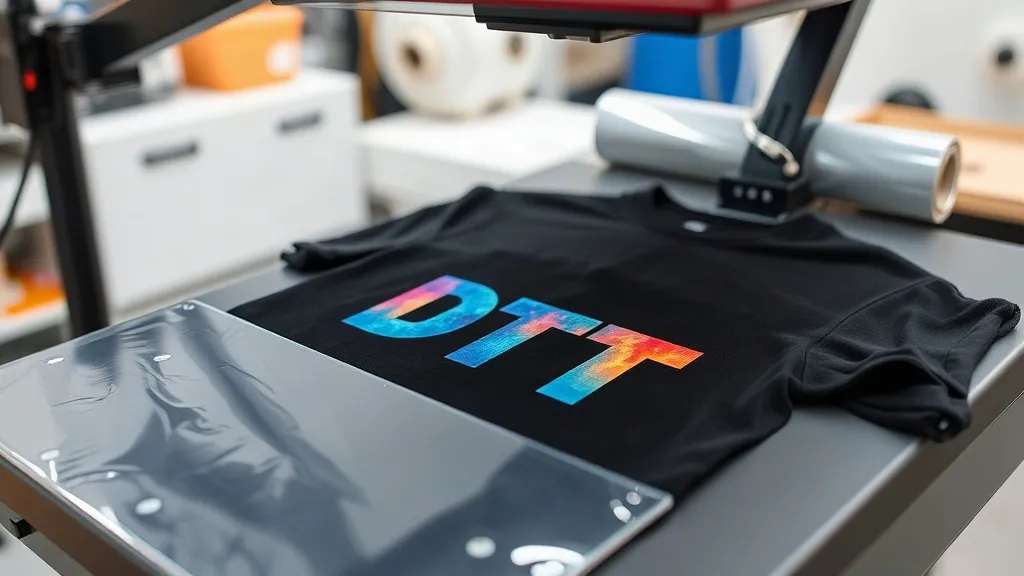
If you've been exploring custom apparel printing, you've likely encountered dtf transfers. This technology has rapidly gained popularity among small business owners, hobbyists, and large-scale manufacturers alike. But what exactly makes DTF transfers so compelling? In this guide, we'll unpack the entire process, from design to finished product, and share practical insights to help you achieve professional-grade results every time.
What Are DTF Transfers?
DTF stands for Direct to Film. Unlike traditional screen printing or DTG (Direct to Garment), DTF involves printing your design onto a special PET film using water-based pigments. The print is then coated with a hot-melt adhesive powder, cured, and transferred onto the fabric using a heat press. The result is a vibrant, durable print that adheres to a wide range of materials, including cotton, polyester, blends, and even leather.
The magic of dtf transfers lies in their versatility. Because the design sits on top of the fabric rather than being dyed into it, you can print on dark colors without a white underbase, and the colors remain bright and true. This opens up possibilities for intricate designs, gradients, and fine details that other methods struggle to reproduce.
Why Choose DTF Transfers Over Other Methods?
When you compare DTF to screen printing, DTG, or vinyl, several advantages stand out. Let's break them down.
1. No Color Limitations
With screen printing, each color requires a separate screen, which can be costly for multi-color designs. DTF prints full-color images in a single pass, so you can include as many colors as you like without worrying about setup fees. This makes it ideal for small batches and personalized items.
2. Works on Almost Any Fabric
DTF transfers adhere well to cotton, polyester, nylon, canvas, and even treated leather. This versatility means you can offer a wider range of products without investing in multiple printing systems.
3. Exceptional Durability
When applied correctly, DTF prints withstand repeated washing without fading, cracking, or peeling. The key is proper curing and pressing, which we'll cover later.
4. Cost-Effective for Short Runs
Screen printing becomes economical only at high volumes due to setup costs. DTF has no setup fees, so it's perfect for one-off items, samples, or small orders. Even for larger runs, DTF can be competitive, especially for complex designs.
5. Easy to Store and Ship
DTF transfers are printed on lightweight film, making them easy to store and ship. You can print in advance and apply as needed, reducing turnaround time for your customers.
The DTF Transfer Process Step by Step
Understanding the workflow helps you troubleshoot issues and optimize quality. Here's a detailed look at each stage.
Design Preparation
Start with a high-resolution image (300 DPI or higher) in a format like PNG or TIFF with a transparent background. Remember that DTF prints are mirrored, so your design must be flipped horizontally before printing. Most RIP software handles this automatically.
Printing
Using a DTF printer, the design is printed onto a PET film. The printer lays down a layer of white ink first (if needed), followed by CMYK colors. This white layer acts as a base for vibrant colors on dark fabrics. The film is then dusted with adhesive powder and cured in an oven or with a heat gun until the powder melts and forms a smooth, glossy layer.
Transferring
Set your heat press to the recommended temperature (usually 300-320°F / 150-160°C) and pressure (medium to high). Place the transfer on the garment with the design facing up, cover with a protective sheet, and press for 10-15 seconds. Peel the film while it's still warm (warm peel) or after it cools (cold peel), depending on the film type. Follow the manufacturer's instructions for best results.
Post-Pressing
For added durability, some users do a second press with a cover sheet for a few seconds. This ensures the adhesive fully bonds with the fabric fibers.
Common Pitfalls and How to Avoid Them
Even with a solid understanding, beginners often encounter issues. Here are the most common ones and their solutions.
Poor Adhesion
If the transfer peels off after washing, it's likely due to insufficient pressure, incorrect temperature, or under-curing of the powder. Invest in a quality heat press with accurate temperature and pressure controls. Always test with a scrap garment before production.
Color Fading or Cracking
This can happen if the transfer is over-pressed (too high heat) or if the garment is washed in hot water and tumble dried on high. Always wash inside out in cold water and hang dry or use low heat.
Film Sticking to the Press
Use a Teflon sheet or parchment paper between the transfer and the heat press platen. This prevents the film from melting onto the press.
Inconsistent Results
Keep a log of your settings for each fabric type and transfer brand. Small adjustments can make a big difference.
Applications and Creative Uses
DTF transfers aren't just for t-shirts. Here are some ways you can use them to grow your business or express your creativity.
- Custom Apparel: T-shirts, hoodies, leggings, and jackets with personalized designs.
- Accessories: Tote bags, hats, and backpacks.
- Home Decor: Pillowcases, blankets, and wall hangings.
- Promotional Items: Uniforms for teams, events, or corporate branding.
- Pet Products: Bandanas, pet beds, and toys.
The possibilities are endless, limited only by your imagination.
Choosing the Right DTF Supplies
Quality supplies are crucial for professional results. Here's what to look for.
DTF Printer
Options range from converted Epson printers to dedicated DTF machines. Consider your volume and budget. For beginners, a converted printer with a reliable RIP software is a good start.
Inks and Powder
Use high-quality DTF inks and adhesive powder from reputable brands. Cheap alternatives may clog your printer or produce dull, less durable prints.
PET Film
Choose film thickness appropriate for your design. Thinner films (75-100 microns) are good for fine details, while thicker films (100-125 microns) work well for bold designs.
Heat Press
A heat press with even pressure and accurate temperature control is essential. Clamshell or swing-away presses both work; swing-away is often preferred for larger items.
Environmental and Safety Considerations
DTF printing is generally considered more environmentally friendly than some other methods because it uses water-based inks and produces less waste. However, proper ventilation is important when curing the powder, as fumes may be released. Always follow safety guidelines and use a respirator if needed.
Frequently Asked Questions
How long do DTF transfers last?
With proper application and care, DTF transfers can last as long as the garment itself. They withstand dozens of washes without significant fading or cracking. To maximize longevity, wash inside out in cold water and avoid high heat drying.
Can I use DTF transfers on 100% polyester?
Yes, DTF works excellent on polyester. However, polyester requires lower pressing temperatures (around 280-300°F) to avoid scorching. Always test with a scrap piece first.
Do I need a special printer for DTF?
You can convert a standard inkjet printer (like Epson) to DTF by using DTF inks and a RIP software. Alternatively, dedicated DTF printers are available for higher volume production.
Is DTF transfers cost-effective for small businesses?
Absolutely. With no minimum order quantities and low setup costs, DTF is ideal for small businesses, especially those offering personalized products. The cost per print decreases with volume, but even single prints are affordable.
What fabrics can I use with DTF transfers?
DTF adheres to cotton, polyester, blends, nylon, canvas, and leather. It's not recommended for fabrics with a heavy coating or waterproof treatments, as adhesion may be compromised.
Final Thoughts
DTF transfers have revolutionized the custom apparel industry by offering a versatile, durable, and cost-effective printing solution. Whether you're a beginner or an experienced printer, mastering DTF can open up new opportunities for your business. Remember to invest in quality supplies, follow best practices, and continuously test and refine your process. With a bit of practice, you'll be producing professional-grade transfers that impress your customers and stand the test of time.