
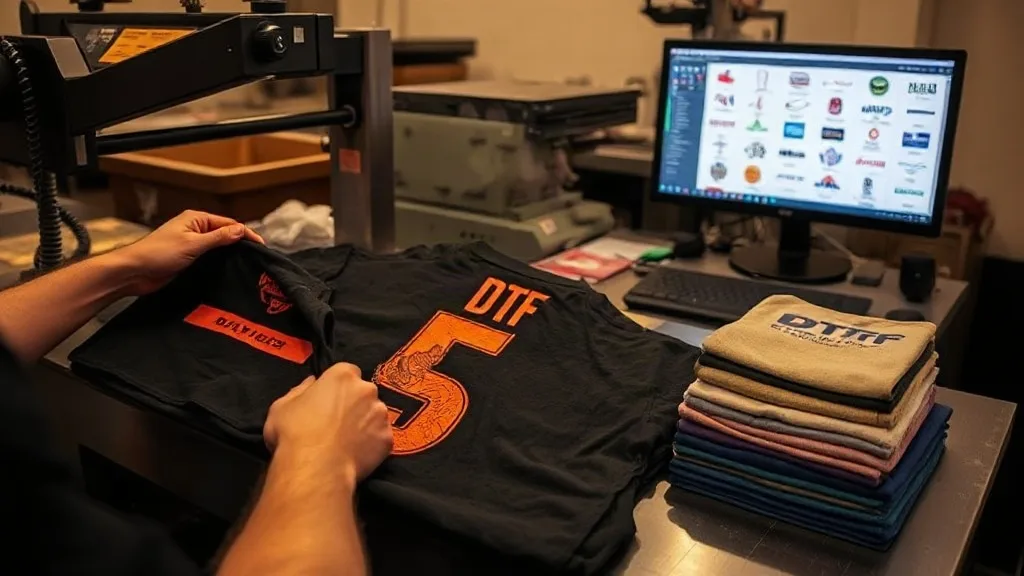
When you're running a print shop, the difference between a good DTF print and a great one often comes down to the blank you choose. shaka wear has become a go-to for printers who need heavyweight, consistent tees that can handle the heat and hold onto ink. In this guide, I'll share what I've learned from pressing hundreds of Shaka Wear tees, from fabric quirks to the exact settings that deliver crisp, wash-resistant results.
Why Shaka Wear Stands Out for DTF Printing
Shaka Wear's blank tees are known for their heft. Most styles clock in at 5.5 oz or heavier, which means they provide a stable surface for DTF transfers. That weight matters because lightweight fabrics can shift during pressing, leading to misaligned prints or uneven adhesion. With Shaka Wear, the fabric stays put, and the tight knit helps prevent the transfer from sinking into the weave.
Another advantage is the consistency from batch to batch. I've ordered cases from different production runs and found the color and fabric hand to be remarkably uniform. That reliability reduces the need for constant adjustments to your press settings, saving time and reducing waste.
Preparing Shaka Wear Blanks for DTF
Before you even think about pressing, proper prep is key. Shaka Wear tees often come with a light factory finish that can interfere with adhesion. I always pre-press each garment for 5-7 seconds at 330°F to remove moisture and flatten the surface. This step also helps shrink the fabric slightly if it hasn't been pre-shrunk, minimizing surprises after the first wash.
Use a pressing pillow or a folded towel inside the shirt to create a firm, even surface. This is especially important for the thicker seams on Shaka Wear's heavyweight tees. A pillow lifts the print area, ensuring the transfer makes full contact with the fabric and not just the high points.
Choosing the Right DTF Transfer for Shaka Wear
Not all DTF transfers are created equal, and Shaka Wear's fabric characteristics influence which ones work best. For their 100% cotton tees, I recommend a transfer with a slightly thicker adhesive layer to grip the fibers. Poly blends, like their 50/50 styles, benefit from a lower-temperature transfer to avoid scorching.
When ordering custom transfers, consider using a DTF Gangsheet Builder to maximize your layout. By grouping multiple designs onto a single sheet, you can reduce waste and cut costs, especially when printing for small batches. I've used gang sheets to fit 20-30 small logos on a single sheet, which is perfect for sample packs or one-off orders.
Pressing Settings That Work
After years of trial and error, I've settled on a set of parameters that consistently deliver excellent results on Shaka Wear tees. Keep in mind that your press may vary, so always do a test print.
- Temperature: 300-310°F for cotton, 290-300°F for blends.
- Pressure: Medium to firm (around 40-60 PSI). Shaka Wear's heavyweight fabric can handle higher pressure without the print squashing.
- Time: 10-15 seconds for the press, then 5 seconds for a cold peel.
- Peel: Always cold peel for DTF. Hot peel can distort the transfer, especially on stretchy fabrics.
One quirk with Shaka Wear's heavier tees: they retain heat longer. After pressing, wait a few seconds before peeling to avoid burning your fingers, but don't let the shirt cool completely. A slightly warm peel (about 5 seconds after opening the press) usually works best.
Troubleshooting Common Issues
Even with the best blanks, problems can arise. Here are fixes for the most common DTF issues on Shaka Wear tees:
Print Peeling After Wash
This usually means insufficient pressure or time. Increase pressure by 10 PSI and add 2-3 seconds to the press time. Also, ensure you're using a quality transfer designed for cotton. If the problem persists, try a second press cycle after the first peel (cover with parchment paper and press for 5 seconds).
Color Fading
Fading often results from overheating. Check your press temperature with an infrared gun; it might be running hotter than the display shows. Reduce temperature by 10°F and test again. Also, avoid over-stretching the shirt when loading it onto the press, as this can thin the adhesive.
Stiff Hand Feel
DTF prints naturally have some structure, but on Shaka Wear's heavier fabrics, they can feel stiffer. To soften, try a lower pressing temperature and a shorter dwell time. Alternatively, use a transfer with a thinner adhesive layer. Some printers also apply a light press after washing to relax the print.
Maximizing Efficiency with Gang Sheets
For shops that handle a lot of small orders, gang sheets are a game-changer. By planning your layouts with a DTF Gangsheet Builder, you can nest designs tightly and reduce film waste. I typically arrange logos in rows, leaving 0.25 inches between them to make cutting easier. This approach is especially useful for Shaka Wear's smaller sizes, where you can fit multiple prints on a single sheet.
Remember to mirror your designs before printing, and always include a cut line if your cutter supports it. A little upfront planning saves hours of trimming later.
Wash Testing and Durability
To ensure your prints hold up, conduct regular wash tests. I wash a sample shirt from each new batch of transfers inside out in cold water, then tumble dry low. A good DTF print on Shaka Wear should show no cracking or peeling after 10 washes. If it does, revisit your pressing parameters or transfer quality.
Shaka Wear's tight knit also helps prevent the print from stretching out of shape, which is a common issue with cheaper blanks. That durability translates to happier customers and fewer returns.
Final Thoughts
Shaka Wear blanks offer a reliable foundation for DTF printing, but they do require attention to detail. By following the prep and pressing guidelines outlined here, you'll achieve vibrant, long-lasting prints that set your shop apart. And when you're ready to streamline your transfer production, give the DTF Gangsheet Builder a try. It's a small tool that makes a big difference in efficiency.
Frequently Asked Questions
Can I use DTF on Shaka Wear's 100% polyester tees?
Yes, but you'll need to adjust your settings. Polyester requires lower temperature (around 280-290°F) and lighter pressure to avoid scorching. Always pre-test on a scrap piece.
How do I prevent the transfer from shifting during pressing?
Use a pressing pillow and secure the transfer with heat-resistant tape. Shaka Wear's heavyweight fabric can be slippery, so tape is your friend.
What's the best way to store DTF transfers for Shaka Wear?
Keep transfers in a cool, dry place away from direct sunlight. Use a sealed bag to prevent dust and moisture from affecting the adhesive.
Do I need to pre-wash Shaka Wear tees before printing?
No, pre-washing is not necessary and can actually make the fabric harder to print on due to wrinkles. A quick pre-press is sufficient to remove moisture and flatten the surface.
How long should I press Shaka Wear tees for DTF?
Typically 10-15 seconds at 300-310°F, depending on the fabric blend and transfer type. Always cold peel for best results.