
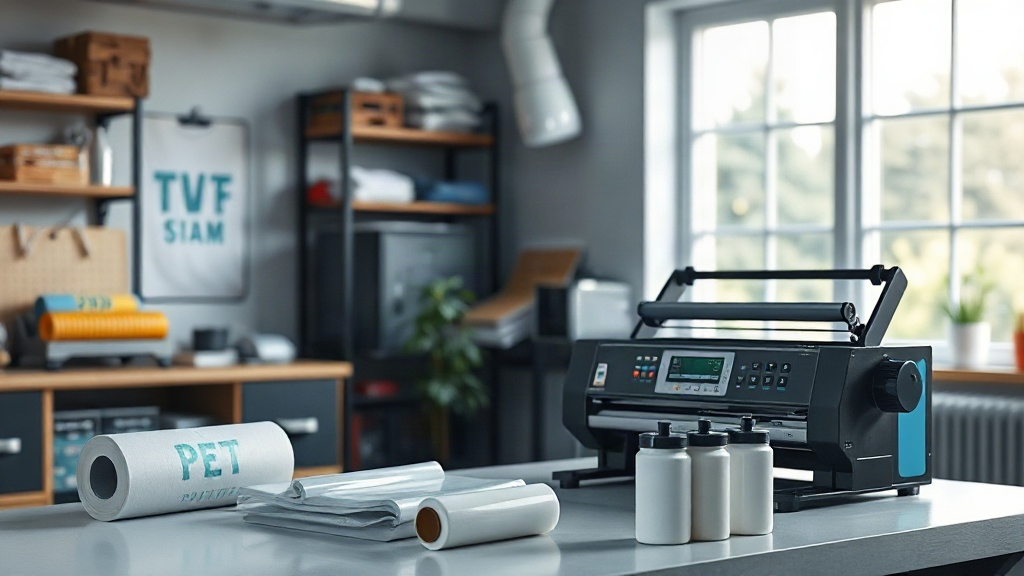
When you run a small apparel business, every decision counts. You need a printing method that delivers vibrant colors, works on multiple fabric types, and doesn't break the bank. That's where DTF printing comes in. Unlike traditional screen printing or vinyl cutting, DTF (Direct to Film) transfers open up a world of possibilities for customizing t-shirts, hoodies, tote bags, and more. In this guide, I'll walk you through what DTF printing is, how it works, and why it might be the perfect fit for your business. I'll also share practical tips from my own experience running a small print shop, so you can avoid common pitfalls and start producing high-quality transfers right away.
What Exactly Is DTF Printing?
DTF printing is a digital printing technology that involves printing your design onto a special film, coating it with a powder adhesive, and then heat-pressing it onto fabric. The process is straightforward: you print with pigment inks onto a PET film, apply a thermoplastic powder while the ink is still wet, cure the powder, and then transfer the design to your garment using a heat press. The result is a soft, stretchable print that bonds permanently to the fabric.
What sets DTF apart from other methods is its versatility. You can print full-color, photographic-quality images with gradients and fine details, and apply them to almost any fabric, including cotton, polyester, blends, and even nylon. No need for separate screens or weeding vinyl. This makes DTF ideal for small businesses that offer personalized products or short runs.
Why DTF Printing Makes Sense for Small Businesses
If you're a small business owner, you're probably juggling limited space, tight budgets, and the need to stand out. DTF printing addresses these challenges head-on.
Low Startup Costs
Setting up a DTF printing operation is more affordable than you might think. You don't need a warehouse full of screens or a dedicated darkroom. A decent DTF printer, a heat press, and a few supplies will get you started. For under $3,000, you can have a complete setup that produces professional-grade transfers. Compare that to screen printing, where each color requires a separate screen and setup fees can eat into your profits.
No Minimum Order Quantities
One of the biggest advantages of DTF is that you can print one-off designs without wasting money. Whether a customer wants a single custom shirt or you're testing a new design, DTF lets you produce exactly what you need. This flexibility is a game-changer for businesses that thrive on personalized orders.
Works on Almost Any Fabric
Cotton, polyester, blends, spandex, even leather and denim. DTF transfers adhere beautifully to a wide range of materials. This means you can expand your product line without investing in multiple printing techniques. Offer vibrant prints on performance wear, canvas bags, and more.
Durable and Wash-Resistant
When done correctly, DTF prints survive dozens of washes without fading or cracking. The key is proper curing and pressing. I've seen shirts with DTF prints last for years with minimal care. That durability keeps customers coming back.
How to Get Started with DTF Printing
Ready to dive in? Here's a step-by-step overview to set up your DTF printing workflow.
1. Choose the Right Printer
You'll need a printer designed for DTF printing. Some popular options include converted Epson printers and dedicated DTF machines. Look for one that uses pigment inks and can handle the film thickness. Brands like STS Inks and DTF Station offer reliable models. If you're on a budget, consider a used printer from a reputable seller, but make sure it's in good condition.
2. Gather Supplies
Besides the printer, you'll need:
- DTF film (usually PET film)
- DTF powder (hot melt adhesive)
- Pigment inks (CMYK plus white)
- Heat press
- Heat-resistant tape
- Protective paper or Teflon sheet
Stock up on quality supplies. Cheap film or powder can lead to poor adhesion and frustrated customers.
3. Master the Printing Process
Start by designing your artwork in a graphics program like Photoshop or Illustrator. Remember to mirror your image before printing. Print onto the film, then immediately sprinkle DTF powder over the wet ink. Shake off excess powder and cure it under a heat source (a heat press or oven) until the powder melts and becomes glossy. Now your transfer is ready to apply.
4. Press with Precision
Set your heat press to the recommended temperature (usually 300-325°F) and pressure (medium to firm). Place the transfer on the garment, cover with protective paper, and press for 10-15 seconds. Peel the film while hot or cold, depending on the film type. Always follow the manufacturer's instructions for best results.
5. Quality Control
After pressing, inspect the print for adhesion and appearance. Rub the edge with your finger; it shouldn't lift. If it does, adjust your temperature, pressure, or time. Keep a log of settings for different fabrics.
Cost Breakdown: What to Expect
Let's talk numbers. A basic DTF printer can cost between $1,500 and $3,000. A heat press ranges from $200 to $800. Supplies (film, powder, ink) cost roughly $1-2 per transfer, depending on size and coverage. Compared to screen printing, where setup fees can be $20-50 per color, DTF is economical for small runs. For a typical 10x10 inch design, your material cost might be around $1.50. Add labor and overhead, and you can still price competitively.
Common Challenges and How to Overcome Them
Like any technology, DTF has its quirks. Here are some issues you might face and how to solve them.
Weak Adhesion
If the print peels off after washing, it's likely due to insufficient pressure, low temperature, or under-cured powder. Increase pressure and ensure the powder is fully melted. Also, pre-press the garment to remove moisture.
Clogged Printheads
Pigment inks can dry out if not used regularly. Print a small test pattern daily and keep your printer in a humid environment. Use a maintenance station if possible.
Color Accuracy
Colors may appear differently on film versus fabric. Create ICC profiles for your printer and monitor to ensure consistency. Test prints are your friend.
Tips for Success from My Experience
After two years of running a DTF printing service, I've learned a few things:
- Buy a reliable heat press with even pressure. It's worth the investment.
- Keep a notebook of settings for different fabrics. What works for cotton may not work for polyester.
- Offer samples to customers. Let them feel the quality.
- Market your ability to do small batches and full-color designs. That's your niche.
- Stay updated on new films and powders. The technology is evolving fast.
Also, don't underestimate the power of good customer service. Quick turnaround and clear communication will set you apart.
Frequently Asked Questions
How long do DTF prints last?
With proper care, DTF prints can last 50+ washes. Avoid ironing directly on the print and wash inside out in cold water.
Can I use DTF on dark garments?
Absolutely. DTF printing uses a white ink base, so colors pop on dark fabrics. Just ensure you print the white layer correctly.
Is DTF printing profitable for small businesses?
Yes, especially for short runs and custom orders. With low material costs and no minimums, you can offer competitive pricing and still make a healthy margin.
What fabrics work best with DTF?
Cotton and polyester blends yield excellent results. For stretchy fabrics like spandex, use a stretchable DTF film and powder.
Do I need a special printer for DTF?
You can convert some Epson printers, but dedicated DTF printers are recommended for reliability. They handle the thick inks and film better.
DTF printing has transformed how small businesses approach custom apparel. With its versatility, low cost, and high-quality output, it's a smart investment for anyone looking to expand their offerings. Take the leap, and you might just find your new favorite printing method.