Direct-to-film, or DTF, has become one of the most popular methods for custom apparel decoration. It allows you to print vibrant designs onto a special film and then transfer them to almost any fabric. If you are searching for DTF transfers because you want to avoid the hassle of buying your own printer, you are not alone. Many small businesses, print shops, and hobbyists prefer to order pre-printed transfers from a local supplier. But how do you find the best one? The phrase DTF transfers near me might seem simple, but choosing the right provider involves more than just picking the closest option. In this guide, I will walk you through everything you need to consider when looking for a local DTF supplier, including quality checks, pricing, turnaround times, and common pitfalls.
Over the years, I have worked with many suppliers, and I have learned that not all DTF transfers are created equal. Some look great at first but crack or peel after a few washes, while others feel stiff and heavy. The key is to find a supplier that uses quality materials and proper printing techniques. In this article, I will share my personal experience and practical tips to help you make an informed decision. Whether you are ordering for a client project or your own brand, this guide will ensure that you get the best value for your money.
What Makes a Good DTF Transfer?
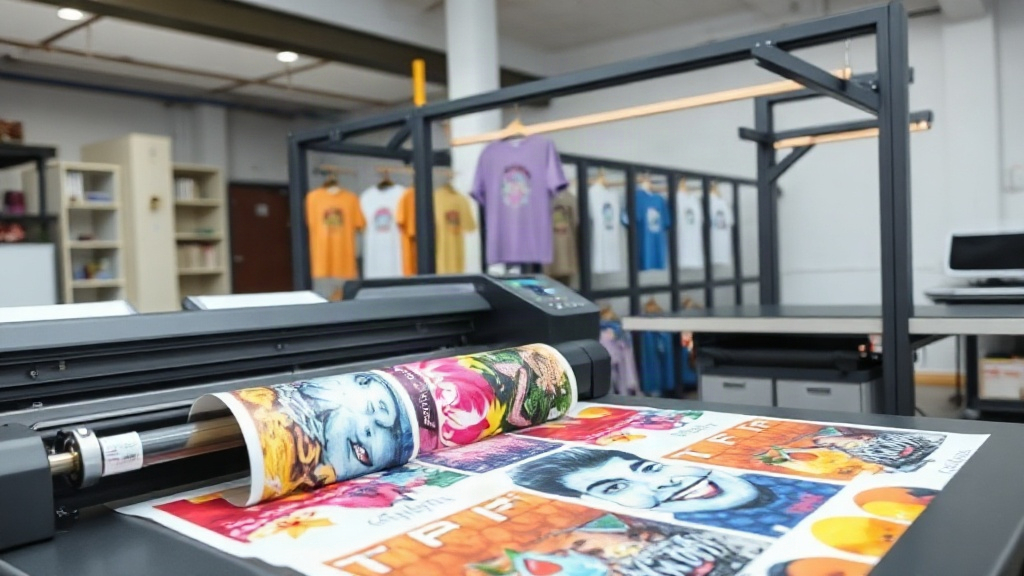
Before you start searching for a local supplier, it is important to understand what makes a high-quality DTF transfer. DTF printing involves printing your design on a special PET film, applying adhesive powder, and then curing it. The film is later pressed onto the garment using heat and pressure. The final result depends heavily on the quality of the inks, film, adhesive powder, and the printer itself.
A good DTF transfer should have vibrant colors, sharp details, and a soft hand feel. It should stretch with the fabric without cracking and withstand multiple washes without fading or peeling. The edges should be clean, and the white base (if your design has white areas) should be opaque enough to cover dark garments. Unfortunately, many suppliers cut corners by using cheap materials or improper curing, leading to subpar results. That is why you need to be vigilant when evaluating potential vendors.
How to Find Local DTF Transfer Suppliers
Finding suppliers near you is easier than ever thanks to online directories and social media. However, “near me” does not always mean the closest physically. Sometimes, a supplier a few hours away can offer better quality and faster shipping than one in your own city. So, when you search for DTF transfers near me, consider both local and regional options.
Start with a Simple Online Search
Type “DTF transfers near me” into Google and you will see a list of local businesses. Look for ones with professional websites and clear contact information. Check their portfolios and customer reviews. If they have an active social media presence, that is also a good sign because it shows they are engaged with their customers.
Ask Other Printers or Business Owners
Word of mouth is incredibly powerful. If you know other people in the apparel industry, ask them who they use for DTF transfers. They can give you honest feedback about quality, pricing, and reliability. Even if they are not local, they might know of a good supplier in your area.
Visit Local Trade Shows or Networking Events
Attending industry events is a great way to meet suppliers in person. You can see their products firsthand, ask questions, and even get samples. Many suppliers offer discounts to first-time customers at these events, so it is worth your time to attend.
Evaluating a DTF Transfer Supplier
Once you have a shortlist of potential suppliers, you need to evaluate them carefully. Here are the most important factors to consider.
Quality of Their Transfers
The first thing you should do is request a sample pack. Most reputable suppliers will send you a few free or low-cost samples. When you receive them, test them on different fabrics and colors. Pay attention to the print quality, color accuracy, and how the transfer feels after pressing. Also, wash the garments several times to see if the design holds up. This simple test will tell you a lot about the supplier’s standards.
Pricing and Minimum Order Quantities
Pricing is always a concern, but it should not be the only deciding factor. Compare prices per square inch or per transfer, and watch out for hidden fees like setup charges or shipping costs. Some suppliers have a minimum order quantity (MOQ), which might be too high for small projects. Make sure you know these details upfront.
Turnaround Time
If you have a deadline, you need to know how quickly the supplier can produce your transfers. Some offer same-day or next-day service, while others may take a week or more. Always ask about their current workload and lead times. Remember, a fast turnaround is useless if the quality is poor.
Customer Service
Good communication is key. You want a supplier who is responsive, helpful, and willing to answer your questions. If you call or email them and they take days to respond, that is a red flag. A supplier who values your business will make you feel comfortable and informed.
Common Mistakes to Avoid When Choosing a DTF Supplier
I have seen many people make avoidable errors when selecting a DTF transfer provider. Let me share some of the most common ones so you can steer clear.
Choosing Based on Price Alone
The cheapest option is rarely the best. Low-cost transfers often use inferior materials that lead to cracking, peeling, or fading. You might save a few dollars now, but you will lose customers if your products look bad. Instead, look for a balance between price and quality.
Ignoring the White Ink Quality
For designs on dark shirts, the white ink layer is crucial. If the white is not opaque enough, the colors will look dull or transparent. Ask the supplier about their white ink density and test it on dark fabric. A good supplier will have no problem showing you examples.
Not Checking the Adhesive Powder
The adhesive powder is what makes the transfer stick to the fabric. If it is not applied evenly or if it is of low quality, the transfer may not adhere properly, leading to peeling after washing. Make sure you test the washability of the samples.
Questions to Ask Before Placing an Order
Before you commit to a supplier, ask these questions to ensure they meet your needs:
- Do you provide free samples? If not, how much do they cost?
- What is your minimum order quantity?
- What are your turnaround times for standard and rush orders?
- Do you offer discounts for bulk orders?
- How do you handle color matching and file setup?
- What is your return or refund policy if something goes wrong?
- Do you use RIP software to ensure color accuracy?
Getting clear answers to these questions will save you from surprises later.
The Importance of a Strong Partnership
Once you find a reliable supplier, treat them as a partner rather than just a vendor. They can help you grow your business by offering advice on design, materials, and trends. A good relationship also means they will prioritize your orders and give you better pricing over time. I have been working with the same DTF supplier for years, and they have become an invaluable resource.
One thing I learned is that communication is essential. If you have a special project or a tight deadline, let them know early. They will often go the extra mile to help you out. Also, provide feedback on their products. If you notice any issues, tell them immediately so they can correct them. This creates a win-win situation for both parties.
How to Test a DTF Transfer Properly
When you receive samples, do not just look at them. Test them thoroughly to ensure they meet your standards. Here is a step-by-step guide:
- Press the transfer onto a garment using the recommended time, temperature, and pressure.
- Check the adhesion by pulling on the edges and stretching the fabric.
- Wash the garment according to the care instructions, then inspect for any peeling or cracking.
- Repeat the wash test at least three times to simulate real wear.
- Compare the color vibrancy and overall appearance to the original design.
If the transfer passes these tests, it is likely a good product. Keep in mind that the pressing parameters can affect the final result, so follow the supplier’s recommendations.
What If You Cannot Find a Good Local Supplier?
Sometimes, despite your best efforts, you cannot find a satisfactory supplier in your immediate area. In that case, do not settle for a mediocre one. Instead, consider expanding your search to include online suppliers that ship nationwide. Many reputable companies offer fast shipping, and you might get better quality and pricing than a local option. Just factor in the shipping time and costs when making your decision.
Another option is to invest in your own DTF printer. While the initial cost is significant, it can save you money in the long run if you print in high volumes. However, this is a big commitment, so only consider it if you have the budget and the demand.
Frequently Asked Questions About DTF Transfers
What does DTF stand for?
DTF stands for Direct to Film. It is a printing method where a design is printed onto a special film, coated with adhesive powder, and then heat-pressed onto a garment.
How long do DTF transfers last?
With proper application and care, DTF transfers can last for many washes without cracking or fading. They are known for their durability and flexibility.
Can I use DTF transfers on any fabric?
DTF transfers work well on cotton, polyester, blends, and even some other materials like nylon and leather. However, the results can vary, so it is best to test on a sample first.
What is the difference between DTF and screen printing?
Screen printing involves creating a stencil and applying ink directly to the fabric. DTF uses a printed film that is transferred with heat. DTF is more versatile for detailed, full-color designs and is easier for small batches.
How much do DTF transfers cost?
The cost depends on the size, complexity, and quantity of the transfers. Generally, DTF transfers are cost-effective for small to medium runs, especially compared to screen printing setup costs.
In conclusion, finding the best DTF transfers near me is not just about proximity. It is about quality, reliability, and building a good business relationship. By following the tips in this article, you can confidently choose a supplier that will help you create amazing products and grow your brand. Remember to always test samples, ask the right questions, and prioritize quality over price. Good luck with your search!