
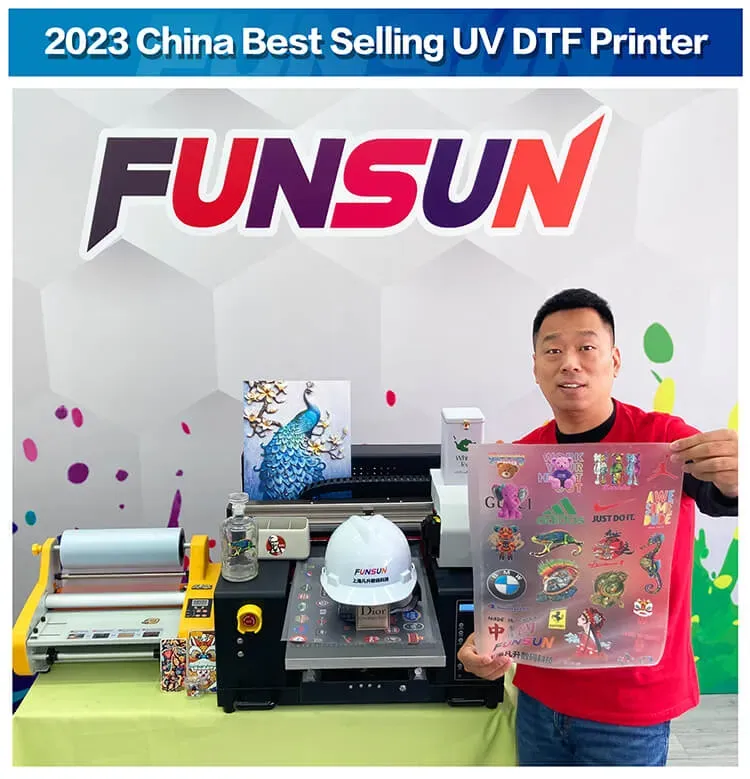
UV DTF printing is revolutionizing the printing industry by merging the efficiency of Direct-to-Film technology with cutting-edge ultraviolet curing methods. This innovative process produces high-quality, vibrant prints that are both durable and versatile, accommodating a wide range of materials from textiles to hard surfaces. As designers, manufacturers, and hobbyists turn to UV printing technology, its eco-friendly attributes enhance its appeal, providing sustainable printing solutions without compromising on quality. Furthermore, recent DTF printing innovations, such as the groundbreaking 3D-texturing UV printer, are shifting the landscape toward more personalized and dimensional prints. With these advancements pushing the boundaries of creativity, the future of printing looks bright and environmentally conscious for all.
The emergence of UV DTF technology, also known as ultraviolet direct-to-film printing, marks a significant advancement in the realm of modern printing solutions. This technique harnesses the power of UV curing to deliver exceptional print quality on diverse substrates, embodying a sustainable approach in an industry increasingly focused on reducing its ecological impact. As we explore these eco-friendly printing methods, it becomes clear that DTF printing is at the forefront of innovation, drawing in designers and creative individuals alike. The introduction of versatile, user-friendly equipment, including 3D-texturing UV printers, sets the stage for a new era in personal and professional printing capabilities. By adopting these advanced processes, businesses and hobbyists can not only achieve stunning aesthetic results but also contribute to sustainable practices in their operations.
What is UV DTF Printing?
UV Direct-to-Film (UV DTF) printing is an advanced printing technology that marries the high precision of direct-to-film processes with ultraviolet curing capabilities. This innovative method allows for vibrant and durable prints that can be applied to a myriad of surfaces, including textiles, plastics, and ceramics. Often favored for its versatility, UV DTF printing ensures that colors remain rich and designs retain intricate details, making it an ideal choice for both commercial applications and creative projects.
With UV DTF printing, the process begins with the design phase, where digital artwork is prepared using graphic software. This design is printed onto a special transfer film using a UV printer. Once completed, the film undergoes a curing process under UV light, which solidifies the ink. This curing mechanism not only enhances the durability of the print but also supports sustainable practices by reducing waste during production, leading to eco-friendly printing solutions.
Recent Innovations in UV DTF Technology
The printing industry continues to evolve, and recent innovations, such as the eufyMake UV Printer E1, are reshaping the landscape of UV DTF printing. Promoted as the first personal 3D-texturing UV printer, this device facilitates creative designs for hobbyists and small businesses alike. Its ability to create tactile textures up to 5mm thick allows for unique and engaging products that stand out in the marketplace, underscoring the significance of embracing technology in the modern printing era.
Additionally, the recent advancements in UV DTF printing equipment cater to a wider audience than ever before. With enhanced user-friendly features, small businesses and individual creators can produce professional-grade prints without needing heavy investments in industrial equipment. This shift reflects a growing market trend where accessible printing solutions are on the rise, making high-quality printing attainable for everyone.
Sustainability in UV DTF Printing
Sustainability is at the forefront of discussions surrounding modern printing technologies, and UV DTF printing exemplifies the industry's commitment to eco-friendly practices. By utilizing UV curing methods, manufacturers can significantly reduce ink waste and minimize their overall environmental footprint compared to traditional printing methods. This conscientious approach aligns with the increasing demand for sustainable production options in various sectors.
Furthermore, the implementation of UV DTF technology allows for full control over the materials used in the printing process, leading to a marked reduction in harmful chemicals commonly found in other printing practices. As both consumers and businesses increasingly prioritize sustainability, UV DTF printing emerges as a smart solution that combines high-quality output with responsible production methodologies.
The Benefits of UV DTF Printing
UV DTF printing presents a myriad of benefits that enhance both the quality and efficiency of printed products. One of the most notable advantages is the durability of prints created using this method, as the UV-curing process solidifies inks that are resistant to fading and wear. This makes UV DTF printing a preferred choice for items exposed to outdoor conditions or frequent use, such as promotional materials and apparel.
Additionally, the versatility of UV DTF printing allows it to adapt to various substrates, providing an expansive canvas for creativity. Whether it's on fabric, metal, or hard surfaces, this technology accommodates an array of applications, supporting industries from fashion to advertising. As such, choosing UV DTF printing opens doors for design innovations that traditional printing methods may struggle to achieve.
The Process Flow of UV DTF Printing
The UV DTF printing process is a systematic approach that involves several meticulous steps to ensure the final output meets high-quality standards. It begins with design creation, where artists or designers craft digital images using graphic design software tailored to the printing specifications. Once finalized, the design is printed onto a special transfer film utilizing a UV printer, which capitalizes on the advanced ink technology that UV DTF printing is known for.
Following the printing phase, the curing process plays a pivotal role, as it employs ultraviolet light to harden the ink, ensuring that the printed images possess exceptional durability. This eliminates issues seen in conventional printing methods, such as smudging or fading over time. Once cured, the transfer film is then accurately applied to the chosen substrate, where heat and pressure facilitate a lasting bond. Thus, the organized process of UV DTF printing not only promotes precision but also ensures that every print maximizes its potential.
Future Prospects of UV DTF Printing
As we move through 2025 and beyond, the prospects of UV DTF printing are bright. With continuous advancements in UV printing technology, we can expect lighter, more efficient, and versatile printers to become available. Innovations such as the ability to incorporate different textures and finishes dynamically may revolutionize how businesses and artisans approach design and production, creating an environment rich in creativity and personalization options.
Moreover, the intersection of UV DTF printing with sustainable practices will likely lead to fostering more eco-friendly production standards across the industry. As consumers grow increasingly aware of environmental issues and demand responsibly produced goods, companies that adopt technologies like UV DTF will position themselves as leaders in both technology and sustainability. This dual focus will drive greater market penetration and consumer loyalty, thereby enhancing the overall vitality of the printing industry.
Frequently Asked Questions
What are the main benefits of UV DTF printing compared to traditional printing methods?
UV DTF printing offers several advantages over traditional printing methods, including enhanced durability and versatility. The use of UV printing technology enables vibrant colors and intricate designs on various substrates such as textiles and ceramics. Additionally, UV DTF is more eco-friendly, reducing waste and allowing for sustainable printing solutions that meet the eco-conscious demands of today’s consumers.
How does the UV DTF printing process work?
The UV DTF printing process involves creating a digital design, printing it onto a transfer film using a UV printer, curing the ink with ultraviolet light, and then transferring the design to the substrate. This process ensures high-quality prints that are durable and resistant to wear, making UV DTF a popular choice for both professionals and hobbyists.
What makes the eufyMake UV Printer E1 a notable advancement in UV DTF printing?
The eufyMake UV Printer E1 is significant because it is the world's first personal 3D-texturing UV printer. It allows users to create rich, tactile textures and vibrant prints up to 5mm thick on various materials. This innovation in DTF printing technology caters to hobbyists and small businesses, making professional-level printing accessible and simple.
What role does sustainability play in UV DTF printing?
Sustainability is a key focus of UV DTF printing as it aims to minimize waste and reduce the ecological footprint of printing operations. By leveraging UV curing methods, companies can adopt eco-friendly printing solutions that are both effective and responsible, addressing the growing demand for sustainable practices in the printing industry.
Can UV DTF printing be used on multiple surfaces?
Yes, UV DTF printing is highly versatile and can be used on various substrates, including textiles, ceramics, wood, and other hard surfaces. This adaptability is one of the reasons why UV DTF printing has gained popularity across different industries, as it allows for the production of high-quality prints in diverse applications.
How has market accessibility for UV DTF printing evolved in recent years?
In recent years, the market accessibility for UV DTF printing has significantly improved with the introduction of user-friendly, compact UV printers. This development has lowered entry barriers for graphic designers, hobbyists, and small businesses, allowing more individuals to engage in professional-quality printing without substantial investments.
| Key Point | Description |
|---|---|
| Introduction | UV DTF printing is a breakthrough technology offering sustainable and efficient alternatives in printing. |
| Understanding UV DTF Printing | Combines precision printing with UV curing technology; produces vibrant and durable prints. |
| Innovations in Equipment | Introduction of personal UV printers like eufyMake UV Printer E1, ideal for small businesses and hobbyists. |
| Sustainability Practices | Minimizes waste in production, contributing to eco-friendly practices. |
| Market Accessibility | Increasing availability of user-friendly UV printers catering to both professionals and home users. |
| The Process of UV DTF Printing | Involves design creation, film preparation, curing, transfer application, and final touches. |
Summary
UV DTF Printing stands out as a transformative technology in the printing industry by marrying efficiency with sustainability. This innovative method has been embraced for its ability to deliver high-quality prints on diverse substrates while reducing waste in production processes. With advancements like the eufyMake UV Printer E1, even hobbyists and small businesses can access professional-grade printing capabilities, making UV DTF Printing an attractive option for creative professionals looking to enhance their projects. As we move towards a more eco-conscious future, UV DTF Printing is poised to play a significant role in reshaping the landscape of print technology.