
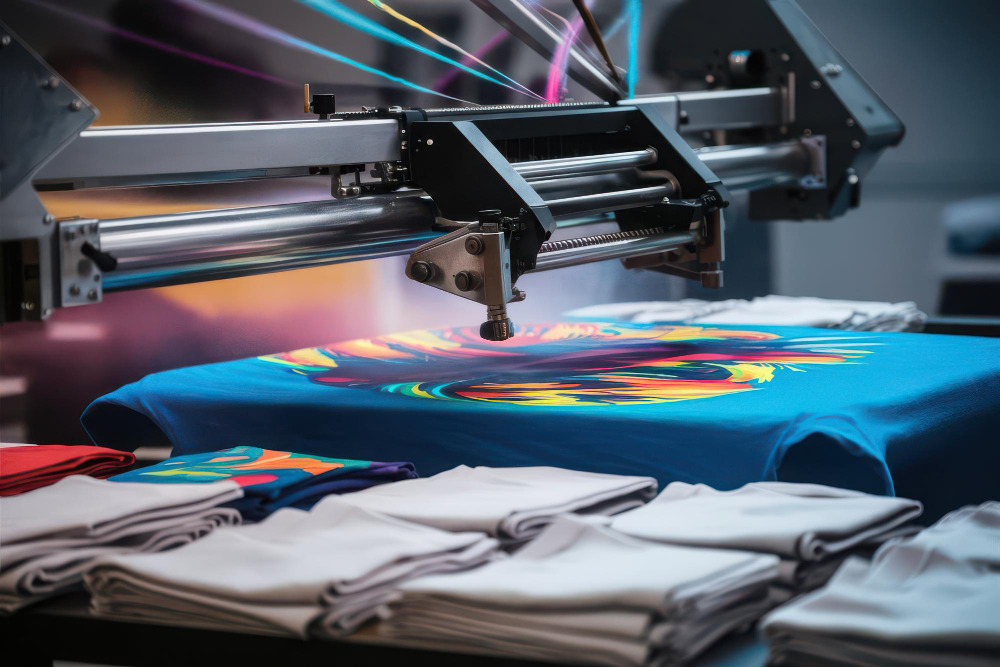
UV DTF Gangheet technology is revolutionizing the printing industry, combining the precision of UV printing with the adaptability of Direct to Film (DTF) processes. This advancement allows businesses to achieve vibrant, high-quality prints on a diverse range of materials, from textiles to hard surfaces. One of the most significant benefits of UV DTF is its ability to create custom printing solutions that meet the specific demands of any project. Moreover, this innovative printing technology enhances durability and ensures that colors remain sharp and bright, even after prolonged use. As such, understanding UV DTF Gangheet is crucial for businesses looking to leverage the latest trends in UV printing technology.
The world of printing has opened up new avenues with the emergence of UV DTF technology, also known as Direct to Film printing. This dynamic method allows for intricate designs and vivid colors to be transferred onto various substrates, providing a versatile solution for creatives and businesses alike. By utilizing advanced UV printing techniques, companies can offer personalized products that cater to consumer demand while significantly improving the efficiency of their production processes. The advantages offered by this approach, including quicker turnaround times and greater durability of prints, make it an appealing option in today's competitive printing landscape. As this technology continues to evolve, it sets a new standard for custom printing solutions.
What is UV DTF Gangheet Technology?
UV DTF Gangheet technology represents a groundbreaking advancement in printing, specifically within the context of Direct to Film (DTF) printing. This innovative approach leverages ultraviolet light to cure inks applied to a specially designed film, enabling the creation of vivid, durable prints that stand out. The process begins with high-resolution digital designs that are printed onto the film, which can then be transferred onto various substrates, making it ideal for complex graphics and promotional materials. This technology not only enhances image clarity but also ensures that colors remain true and vibrant over time.
In addition to its impressive aesthetic capabilities, UV DTF printing offers a significant degree of versatility. It accommodates a wide range of materials including textiles, rigid surfaces such as wood and metal, and even non-traditional surfaces like glass. This adaptability allows businesses to explore a multitude of applications, from customized apparel production to the creation of unique decor items and marketing displays. Consequently, understanding the functionalities and benefits of UV DTF Gangheet technology is pivotal for industries looking to innovate their printing solutions.
Key Benefits of UV DTF Printing
One of the most significant advantages of UV DTF printing is its outstanding durability. Unlike many traditional printing methods, which may suffer from fading and wear over time, prints produced using UV DTF are designed to withstand the rigors of everyday use. This longevity makes them particularly suitable for high-demand items such as clothing, bags, and promotional merchandise. These prints are less susceptible to damage from washing, scratching, or exposure to sunlight, which is a crucial factor for businesses concerned with customer satisfaction and brand representation.
Moreover, UV DTF printing employs eco-friendly ink formulations, primarily water-based, which greatly reduces environmental impact compared to solvent-based inks. This aspect is increasingly important as more consumers seek out sustainable options. With these eco-conscious inks, businesses not only improve their sustainability profile but also enhance indoor air quality. Adopting UV DTF Gangheet means companies can market their products as environmentally friendly, aligning with modern consumers' values and preferences.
Fast Production and Efficiency in UV DTF Printing
The demand for speed in production has never been higher, and UV DTF printing meets this challenge effectively. This technology enables rapid printing processes, which is essential for businesses that require quick turnaround times for various projects. By optimizing both print and transfer processes, UV DTF printers help streamline workflows, thus increasing overall productivity. This quick pace not only satisfies client needs but also allows businesses to capitalize on time-sensitive market opportunities, enhancing competitiveness in the industry.
Additionally, the efficiency of UV DTF Gangheet technology translates to lower operational costs over time. Because the printing process is streamlined, businesses can save on labor, material waste, and additional processes involved in traditional printing. Efficient production capabilities mean more items can be printed in less time, increasing throughput and profitability. As a result, companies adopting UV DTF technology can better align their operations with the fast-paced demand of today’s consumer environment.
Financial Considerations When Buying UV DTF Printers
While the advantages of UV DTF technology are substantial, potential buyers must carefully evaluate financial aspects before making a purchase. The initial investment in UV DTF printers is generally higher than traditional printing equipment, which might deter businesses with limited budgets. Therefore, conducting a detailed cost-benefit analysis is essential. This assessment should take into account projected production targets, potential revenue from new custom printing solutions, and long-term savings associated with durability and reduced material waste.
Additionally, understanding the total cost of ownership is crucial. This includes ongoing maintenance, which can be a significant consideration given that UV DTF printers require regular upkeep to function optimally. Prospective buyers should inquire about service contracts, availability of parts, and the reputability of the manufacturer’s support services. These factors can significantly influence the printer's overall efficiency and longevity, contributing to a more favorable return on investment.
Material Compatibility with UV DTF Printing
Before committing to a UV DTF Gangheet printer, it is vital to assess its compatibility with the materials you intend to use. While this printing technology is versatile, not all printers can handle every substrate effectively. Comprehensive knowledge about material compatibility will not only prevent operational issues but also safeguard the quality of the final prints. Ensuring that your printer can accommodate various fabrics, metals, woods, or plastics will ultimately maximize your production capabilities.
Moreover, investing in a printer that excels with a broad range of materials can open new markets and applications for your business. For instance, being able to print on difficult substrates such as glass or high-performance textiles can differentiate you from competitors. This strategic advantage can satisfy niche markets and lead to increased revenue streams as you expand your offerings with customized solutions.
The Future of UV DTF Gangheet Technology
As UV DTF technology continues to evolve, the future looks promising for both users and consumers. Advancements in UV printing technology are consistently emerging, with new innovations aimed at enhancing efficiency, reducing costs, and improving user convenience. Many current models include features such as automated setups, intuitive software interfaces, and more sophisticated ink formulations that improve print quality while reducing environmental impact.
With the continuous expansion of the market, businesses can anticipate a broader range of custom printing solutions and competitive pricing as manufacturers strive to meet consumer demands for personalized products. As the popularity of UV DTF Gangheet technology rises, so does the potential for creative applications in various industries, encouraging businesses to explore new opportunities and adapt to rapidly changing market dynamics.
Frequently Asked Questions
What is UV DTF Gangheet technology and how does it work?
UV DTF Gangheet technology, or Direct to Film printing, involves using ultraviolet light to cure inks on transfer films. This method allows for high-resolution prints with vibrant colors on various surfaces including textiles and hard materials. After printing, the film can be transferred to the desired substrate, resulting in detailed designs with a durable finish.
What are the benefits of using UV DTF printing for custom designs?
The benefits of UV DTF printing include durability, vibrant color reproduction, and eco-friendly inks. UV DTF prints resist fading and wear, making them ideal for high-use items like apparel and promotional products. Moreover, the use of water-based inks aligns with sustainable practices, appealing to environmentally conscious customers.
Can UV DTF printers handle different types of materials?
Yes, UV DTF printers are highly versatile and can be used on a wide range of materials such as cotton, polyester, wood, and metal. This adaptability makes UV DTF Gangheet technology suitable for various applications, from fashion customization to creating signage.
Is UV DTF printing more cost-effective than traditional printing methods?
While the initial investment in UV DTF technology may be higher than traditional methods, the long-term benefits such as durability and reduced production costs can lead to significant savings. Businesses should conduct a cost-benefit analysis to determine if UV DTF printing aligns with their economic goals.
What should I consider before purchasing a UV DTF printer?
Before purchasing a UV DTF printer, consider factors such as the initial investment, maintenance requirements, and material compatibility. Assess whether the printer meets your business's production needs and ensure it can handle the types of substrates you plan to use.
How has UV printing technology evolved recently?
UV printing technology, particularly in UV DTF applications, has seen advancements like automated processes, enhanced ink formulations, and user-friendly design software. These developments streamline production, improve print quality, and cater to the growing demand for personalized products.
| Key Point | Details |
|---|---|
| Understanding UV DTF Technology | UV DTF uses UV light to cure inks for vibrant, durable prints on various surfaces through a transfer film process. |
| Versatility | Can print on diverse materials, including textiles and hard surfaces like wood and metal, making it suitable for various applications. |
| Advantages | Includes durability (resistant to fading and scratching), eco-friendly inks (water-based), and fast production times, enhancing usability. |
| Considerations Before Purchase | Initial investment costs, maintenance requirements, and material compatibility must be evaluated prior to buying a printer. |
| Recent Developments and Trends | Continuous advancements in technology boost efficiency; increased market demand for personalized products leads to significant growth. |
| Resources for Further Information | Print Avenue and PrinterComparison provide technical reviews. The Journal of Imaging Science and Technology explores industry advancements. |
Summary
UV DTF Gangheet technology is revolutionizing the printing landscape, enhancing creative possibilities for businesses and creators alike. This innovative method allows for high-quality, vibrant prints on a myriad of surfaces, making it a valuable investment for those looking to elevate their product offerings. By understanding its advantages, considerations, and the latest trends in the market, businesses can make informed decisions that align with their operational goals. As the demand for customized products continues to rise, investing in UV DTF Gangheet technology could provide a competitive edge and drive success in today's fast-paced market.