
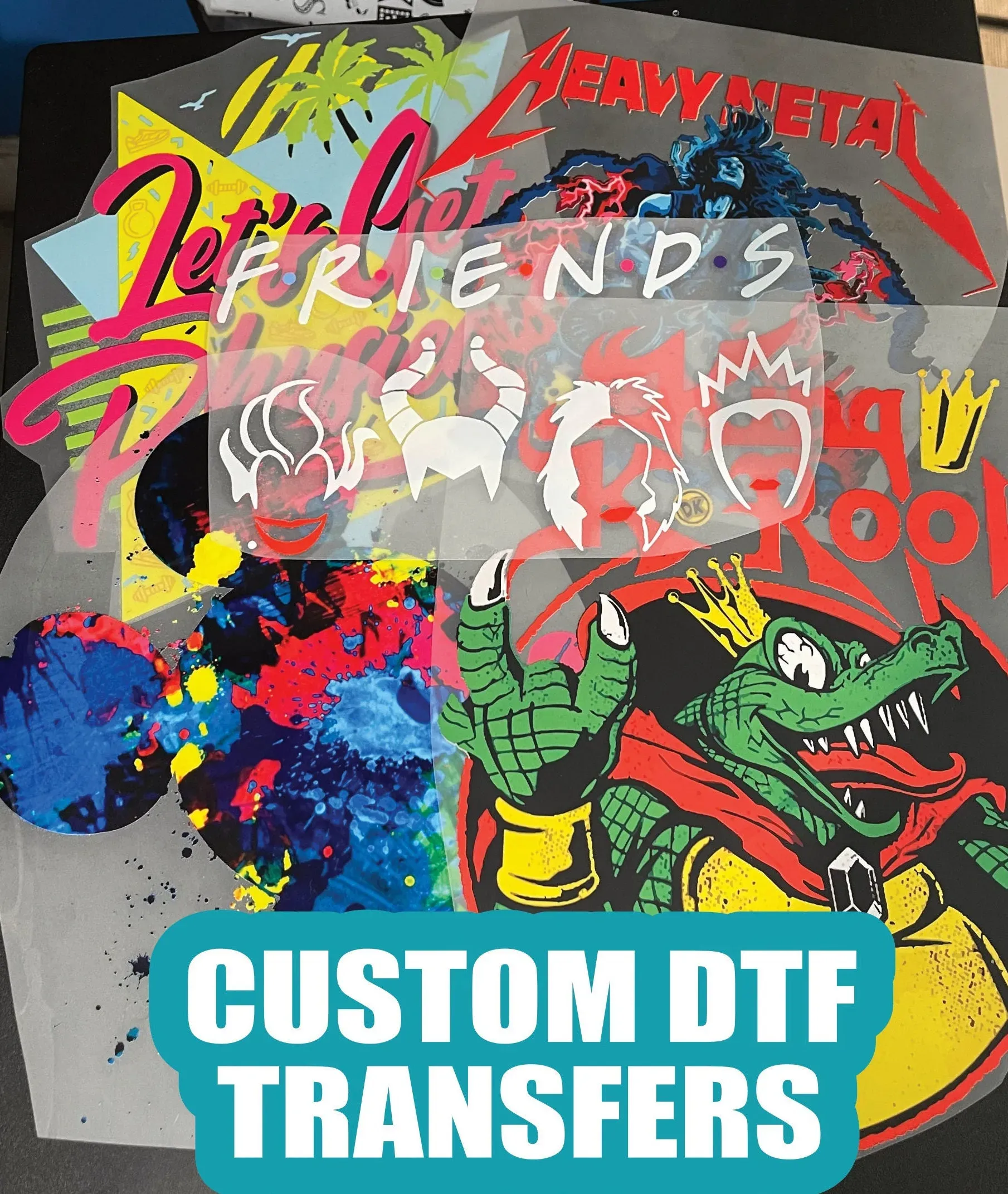
DTF Transfers have emerged as a groundbreaking technique in custom apparel printing, offering designers innovative ways to bring their concepts to life. This method, known as Direct to Film printing, is quickly gaining popularity among fashion aficionados and professional designers alike. By mastering the art of DTF Transfers, you can significantly boost your creative repertoire and elevate your fashion game to new heights. Whether you're looking to create vibrant, intricate designs or incorporate sustainable fashion practices, DTF printing makes it all possible. In this blog post, we’ll delve into the fascinating world of DTF Transfers, explore practical tips for success, and dissect the latest trends shaping the industry.
In the ever-evolving landscape of apparel design, techniques like Direct to Film (DTF) printing are reshaping the way we approach garment creation. By utilizing specialized film to transfer vivid artwork onto various fabrics, designers can explore limitless avenues for creativity and expression. This printing method not only facilitates the production of bespoke clothing but also aligns perfectly with the growing demand for sustainable fashion solutions. As we unpack the advantages and applications of DTF Transfers, we will provide you with essential fashion design tips to maximize your use of this transformative technology. Let’s dive into the details of how DTF printing can revolutionize your approach to custom apparel.
Understanding DTF Printing: A Game Changer for Custom Apparel
DTF printing, or Direct to Film printing, is increasingly recognized as a revolutionary technique in custom apparel creation. This innovative method allows designers to transfer high-quality images onto various fabric types, significantly diverging from traditional screen printing methods. The primary advantage of DTF printing lies in its ability to produce vibrant and detailed designs with a wide range of colors, catering perfectly to modern fashion needs.
The process involves printing artwork onto a specialized film using DTF inks, which are designed to adhere effectively to fabric. The printed film is then treated with hot melt powder that allows easy transfer when heat pressed. This method is particularly beneficial for fashion designers looking to create intricate patterns or bold graphics that stand out on clothing, thus elevating their offerings in a competitive market.
Maximizing Your DTF Transfers: Practical Tips and Techniques
To achieve the best results with DTF transfers, it's essential to follow specific techniques and tips that optimize the quality of your prints. First and foremost, using high-quality materials is crucial. Invest in premium DTF inks and films, as the clarity and durability of your final product depend heavily on these components. Inferior materials will likely result in designs that do not adhere properly or lose their vibrancy over time.
Secondly, pay close attention to heat settings when using your heat press. Each fabric type may require different temperatures and timing to ensure the DTF transfer adheres correctly. Always refer to manufacturer guidelines for your specific materials to avoid common pitfalls, such as burns or incomplete transfers. Pre-pressing the fabric can also help eliminate moisture and wrinkles, ensuring a smooth surface for your transfer.
Sustainable Fashion with DTF Transfers: An Eco-Friendly Choice
As the fashion industry moves towards sustainability, DTF transfers emerge as a viable eco-friendly printing option. This technique minimizes waste compared to traditional printing methods, as it allows for on-demand production that adapts to consumer demand without excess inventory. Moreover, environmentally friendly DTF inks can further reduce the carbon footprint of fashion businesses, appealing to the increasing number of consumers prioritizing sustainability in their purchasing decisions.
Incorporating DTF transfers into your production process not only supports a more sustainable approach but can also enhance your brand's reputation as a responsible fashion label. By utilizing eco-conscious materials and promoting the benefits of your sustainable practices, you can attract a growing market segment that values environmental stewardship alongside style.
Fashion Design Tips: Integrating DTF Transfers in Your Work
When integrating DTF transfers into your fashion design process, creativity should be at the forefront. Explore different styles and aesthetics by experimenting with color combinations and design layouts. DTF printing offers flexibility in terms of applying prints on various fabric types, allowing designers to push the boundaries of design without being limited by traditional methods.
Another tip is to consider customizability when designing your pieces. Since DTF transfers allow for quick adjustments and personal touches, designers can create limited-edition collections or one-of-a-kind items that resonate with consumers looking for unique fashion pieces. This level of customization enhances the perceived value of your designs, making them more appealing in the crowded fashion market.
The Future of Fashion Design: Trends in DTF Printing
The future of fashion design is rapidly changing, and current trends in DTF printing reflect this shift toward personalization and artistic expression. With consumers increasingly seeking unique apparel, DTF transfers enable designers to produce customized pieces quickly and efficiently. This trend aligns with the growing desire for individuality in fashion, encouraging brands to offer bespoke options that resonate with their clientele.
Additionally, brands that harness the capabilities of DTF printing are likely to remain competitive in the ever-evolving fashion landscape. The ability to create small batches, test designs, and modify them in real-time speaks to a new era of agile fashion design. By staying ahead of these trends, designers can establish themselves as innovators and leaders in their fields.
Community Engagement in DTF Printing: Learning and Collaborating
Engagement within the DTF printing community is invaluable for designers and businesses alike. Online forums and social media groups serve as gathering places where enthusiasts share expertise, troubleshoot common issues, and exchange creative ideas. Participating in these communities allows aspiring designers to learn best practices from experienced professionals, potentially shortening their learning curve.
In addition to learning, collaborating on projects or sharing resources fosters a sense of camaraderie among DTF printing specialists. As members highlight innovative techniques or successful case studies, the collective knowledge can lead to new trends and advancements in the field. By tapping into this network, you can not only enhance your skills but also contribute to the growth and evolution of DTF printing as a key player in fashion.
Frequently Asked Questions
What are the advantages of using DTF Transfers in custom apparel printing?
DTF Transfers offer numerous advantages for custom apparel printing, including vibrant colors, versatility across various fabric types like cotton and polyester, and durability that withstands frequent washes. This method is also cost-effective for small runs, making it an ideal choice for fashion designers looking to create unique, high-quality pieces.
How do DTF Transfers compare to traditional heat transfer techniques?
DTF Transfers often outperform traditional heat transfer techniques as they provide better color vibrancy and adherence to a wider range of fabrics. Unlike vinyl or screen printing, DTF allows for intricate designs and multiple colors without the added setup costs, making it more efficient for custom apparel projects.
What materials are best for achieving the best results with DTF printing?
To achieve the best results with DTF printing, it's crucial to use high-quality DTF inks and specially coated PET films. Quality materials ensure better adhesion and vibrant colors, significantly impacting the final outcome of your designs.
Can DTF Transfers be used in sustainable fashion initiatives?
Yes, DTF Transfers can play a significant role in sustainable fashion initiatives. This method reduces waste compared to traditional printing techniques and allows designers to use eco-friendly inks. By catering to environmentally conscious consumers, DTF printing aligns well with the growing demand for sustainable fashion.
What tips can help improve the DTF transfer application process?
To improve the DTF transfer application process, ensure your heat press is calibrated correctly according to the fabric type, pre-press the fabric to eliminate moisture and wrinkles, and allow the transfer to cool completely before peeling. Following these steps can prevent peeling and enhance the durability of your designs.
How can I stay updated on trends and techniques in DTF printing?
Staying updated on trends and techniques in DTF printing can be accomplished through joining online forums and social media groups dedicated to DTF enthusiasts. Following industry resources like Printful, T-Shirt Magazine, and relevant YouTube channels can also provide valuable insights and inspiration for your custom apparel projects.
| Key Point | Description |
|---|---|
| What are DTF Transfers? | DTF Transfers involve printing designs onto a coated film and then transferring them onto fabric using heat, resulting in vibrant, durable prints suitable for various fabric types. |
| Benefits of DTF Transfers | Versatile for different fabrics, offers vibrant colors, durable through multiple washes, and is cost-effective for smaller orders. |
| Tips for Using DTF Transfers | Use quality materials, adjust heat settings accurately, pre-press fabric, and allow post-press cooldown to enhance adhesion and print quality. |
| Current Trends | Focus on sustainability, use of eco-friendly inks, and personalization options for unique designs catering to consumer preferences. |
Summary
DTF Transfers are revolutionizing the fashion industry, offering a modern printing method that combines creativity with practicality. This innovation not only enhances the aesthetic appeal of garments but also aligns with current trends in sustainability and customization. As the demand for unique, high-quality designs grows, understanding and leveraging DTF Transfers will be crucial for designers aiming to stand out in a competitive market. By prioritizing quality materials and techniques, fashion creators can ensure their apparel remains vibrant and durable, catering to the evolving tastes of consumers.