
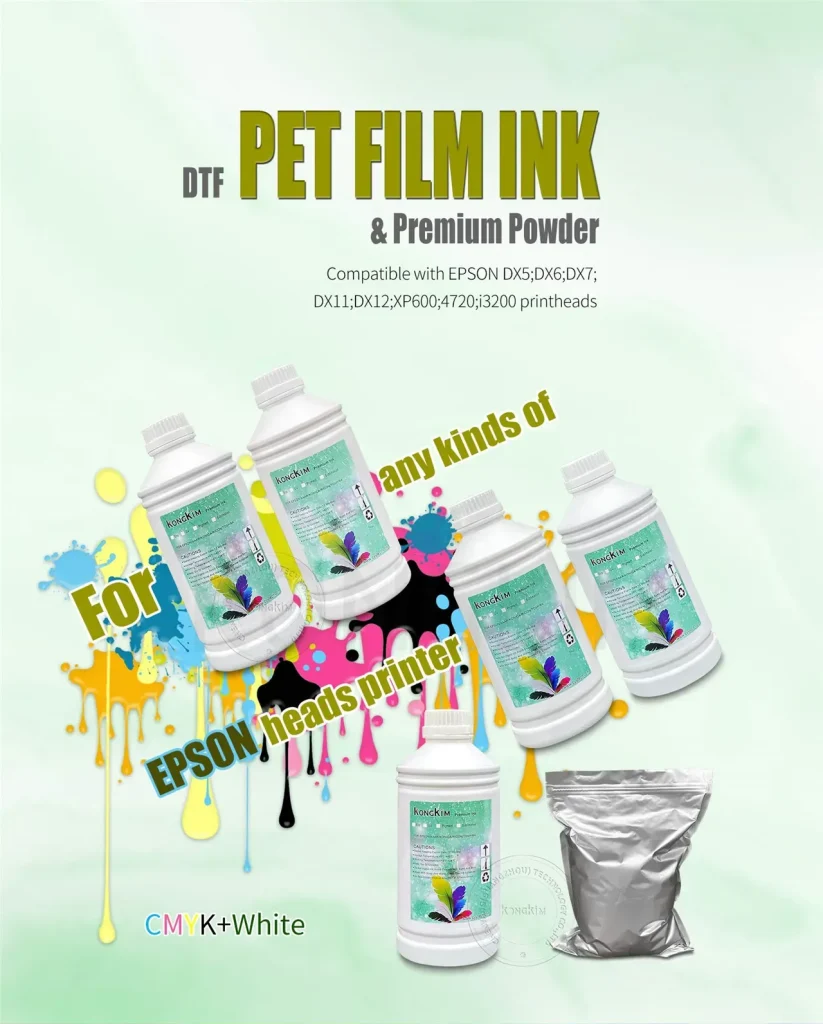
DTF inks and films have transformed garment decoration by delivering vivid color with reliable adhesion. This combination influences color accuracy, print vibrancy, and longevity across a range of fabrics. Understanding how DTF ink chemistry and film quality interact helps explain why some transfers stay bright after repeated washes. In this guide, we explore DTF ink chemistry, the role of film surface treatment, and practical steps to improve DTF printing color longevity and transfer durability. By focusing on the right DTF inks and films, you can achieve durable, high-quality transfers that resist fading over time and enhance DTF transfer durability.
From a broader perspective, direct-to-film technology and film-based transfer methods are redefining how designers place graphic imagery on textiles. Quality hinges on the same core factors—DTF ink chemistry, the whiteness and coating of the film, and the adhesive layer that locks the design into fabric. LSI-friendly terms such as color fastness, print durability, and wash resistance map to the same performance goals as DTF printing color longevity and transfer longevity. Choosing materials with compatible ink chemistry and high-release films helps ensure vivid results on cotton, blends, and performance fabrics. By aligning production choices with substrate behavior and process parameters, studios can optimize color fidelity and long-term durability for every run.
Understanding DTF inks and films: the foundation of color and longevity
DTF inks and DTF films work together like a two-part system where color and adhesion intersect. The inks provide the color spectrum and tonal depth, while the films carry the pigment through the print process and guide its release onto fabric during heat transfer. When paired well, they unlock vibrant reds, crisp edges, and the subtle gradients that make designs pop on apparel. This interaction is central to DTF printing color longevity because the ink chemistry must align with the film’s surface properties and the adhesive layer to resist washing and wear over time.
A brighter, more uniform film surface serves as a clean canvas for the ink, reducing color shifts and halo effects. The whiteness, coating uniformity, and release characteristics of the film directly influence how faithfully colors reproduce on different fabric substrates. In practice, choosing quality DTF inks and films together helps stabilize color accuracy from file to finished transfer, contributing to consistent results across batches and boosting overall longevity.
The role of DTF ink chemistry in color richness and durability
Ink chemistry, including pigment formulation and resin systems, determines how well colors render on white and colored fabrics and how resistant they are to fading after repeated washing. Pigment-based DTF inks generally offer stronger lightfastness and wash durability than dyes, especially on cotton-rich blends. The resin anchors color to the substrate during transfer, supporting edge sharpness and bleed resistance, which in turn supports DTF printing color longevity.
The chemistry also governs how inks interact with the adhesive layer and the film during heat pressing. Proper curing and ink bake help lock in color while maintaining fabric flexibility. When ink chemistry is matched with appropriate curing parameters, you get reliable vibrancy, minimal color drift, and longer-lasting prints that hold up to laundering and everyday use.
The role of DTF films in transfer durability and color fidelity
DTF films act as the carrier that preserves color fidelity from print to garment. The film’s surface texture, whiteness, and coating uniformity influence how ink sits on the surface, how white underprints render on dark fabrics, and how smoothly the color transitions render at edges. A high-quality film with consistent release properties ensures that ink lands evenly and transfers cleanly, which is essential for accurate color reproduction and long-term durability.
Film durability matters just as much as the ink. Under repeated handling and laundering, film integrity—its resistance to yellowing, abrasion, and edge wear—helps prevent color flaking or edge cracking. The interaction between the film, adhesive, and fabric ultimately shapes DTF transfer durability, so selecting a robust film is a practical investment in longevity across different textiles.
Color management and workflow for consistent DTF results
Achieving predictable color starts with a disciplined workflow: high-resolution printing, correct ICC profiles, and standardized press settings. Resolution and color management choices determine how gradients render and how smoothly transitions blend, which directly affects how the final transfer looks in person versus on screen. When you manage color with calibrated workflows, you improve reproducibility of color across runs, helping preserve DTF printing color longevity.
Beyond printer settings, regular calibration, color targets, and printhead maintenance keep ink deposition consistent. A controlled process reduces variability from batch to batch and fabric to fabric, so whites stay sharp, blacks stay deep, and skin tones read correctly. This level of color discipline supports long-term results, ensuring the design preserves its intended look after washes and wear.
Curing, heat transfer, and substrate considerations for lasting prints
Curing and transfer parameters—dwell time, temperature, and pressure—determine how well the ink bonds to both the film and fabric. Proper drying and curing before transfer reduce smudging and ensure the adhesive layer activates correctly, contributing to color stability and edge fidelity. By optimizing these steps, you improve the integrity of the print, supporting DTF printing color longevity even on challenging fabrics.
Substrate choice matters as much as ink and film quality. Different fabrics—cotton, blends, polyesters—interact with inks and adhesive in unique ways, affecting color vibrancy and durability. Understanding substrate behavior helps you anticipate how a design will perform after washing and wear, guiding the selection of ink chemistry and film type that deliver consistent, long-lasting results.
Practical guidelines for selecting DTF inks and films across budgets
When choosing DTF inks and films, start with your printer model, typical fabrics, and production volume. Run a small test batch across your most common materials to compare color fidelity, wash durability, and edge sharpness. This baseline comparison helps you identify whether a particular ink chemistry or film surface better supports your projects, contributing to reliable DTF transfer durability and color performance.
Budget-friendly options can still deliver solid results if you optimize workflow and calibration. Prioritize a forgiving film for diverse fabrics and pair it with inks whose chemistry supports reliable cure and adhesion. For premium garments or fashion items, invest in high-quality DTF inks and films that demonstrate strong lightfastness and robust release properties, ensuring the design remains vibrant after multiple washes and wear over time.
Frequently Asked Questions
How do DTF inks and DTF films work together to produce vibrant colors and long-lasting transfers?
DTF inks provide pigment-based color designed to bond with a PET film carrier and a heat-activated adhesive. DTF films supply the carrier substrate, whiteness, and release properties that influence ink deposition and transfer quality. When you pair high-quality DTF inks with premium DTF films, you improve color accuracy, saturation, and DTF printing color longevity.
How does DTF ink chemistry influence color longevity and wash durability?
DTF ink chemistry—pigment formulation, resin system, and binder—determines lightfastness and how well the color adheres to the adhesive during heat pressing. This chemistry drives DTF printing color longevity and wash durability, so pigment-based inks with strong adhesion typically outperform dye-based options.
Why do DTF films’ whiteness and surface texture matter for transfer durability and color fidelity?
Film whiteness provides opacity for white underprints and bright, accurate color on dark fabrics. Surface texture affects how ink sits, cures, and releases, influencing edge sharpness and adhesion. Good DTF films lead to higher DTF transfer durability and more consistent color fidelity.
What should I consider when selecting DTF inks and DTF films for different fabrics to preserve color accuracy and longevity?
Consider substrate compatibility, ink opacity, film thickness, and adhesion. Match DTF inks to fabric types (cotton, blends, synthetics) and choose DTF films with appropriate release properties for that textile. A thoughtful pairing helps optimize color accuracy and longevity across fabrics.
How can I optimize the DTF process to maximize color vibrancy and DTF printing color longevity?
Start with calibrated color workflows (ICC profiles) and small test batches. Tune curing, heat press temperature, time, and pressure for your fabric, and perform wash tests to verify color longevity. Managing film thickness and white underprint as needed can further improve vibrancy and longevity.
What common pitfalls reduce DTF ink performance, and how can I avoid them to improve transfer durability?
Pitfalls include mismatching DTF inks with incompatible films, insufficient curing, excessive heat, and moisture exposure. Avoid these by using manufacturer-recommended ink/film combos, following curing and transfer guidelines, maintaining a controlled environment, and testing with representative fabrics to ensure durability.
| Aspect | Key Points |
|---|---|
| DTF inks and films: what they are | Inks are water-based pigment inks designed for a PET film carrier with a heat-activated adhesive; films are carrier sheets with an adhesive layer; film whiteness, texture, thickness, and release properties influence color fidelity and adhesion. |
| Color accuracy and vibrancy factors | Ink chemistry and pigment formulation; film whiteness and surface texture; print resolution and color management; curing and transfer parameters. |
| Durability and longevity | Ink wash resistance; adhesive quality and heat transfer; film durability; substrate compatibility; post-processing care. |
| Choosing the right DTF inks and films | Baseline pairing; calibrate color workflows with ICC profiles; test heat settings; ensure proper curing; consider film thickness; audit post-wash performance. |
| Real-world tips | Optimize white underprint; manage substrate color; watch for cracking on stretchy fabrics; maintain printhead health; consistent handling and environment. |
| Case studies and pitfalls | Color drift from ink-film mismatches; halos or dull finish if not considered; balance with production workflow and fabric types. |
| Budgets and needs recommendations | High-volume: reliable inks/films; customization: flexible white underprint; premium fabrics: prioritize ink chemistry and film quality. |
Summary
DTF inks and films are the foundation of successful direct-to-film transfers. The color you see on screen will depend on the ink chemistry, film quality, curing and transfer parameters, and how you care for the garment after printing. By focusing on selecting compatible inks and films, calibrating color workflows, testing heat settings, and following good post-processing practices, you can achieve consistent color accuracy, vibrant prints, and long-lasting results across a range of fabrics and wash cycles. This guide provides practical steps to evaluate and choose DTF inks and films that align with your production demands and quality goals, delivering durable, high-quality transfers over time.