
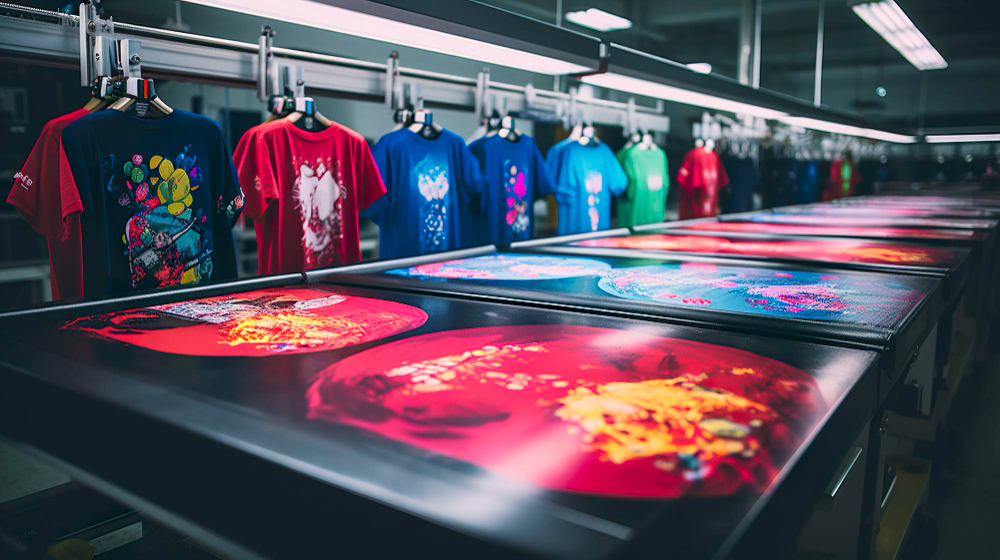
UV DTF Gangheet is revolutionizing the printing industry by combining advanced technology with a commitment to environmental sustainability. As consumers and businesses alike prioritize eco-friendly printing practices, UV DTF Gangheet stands out for its impressive environmental benefits. This innovative technique utilizes ultraviolet light to cure inks instantly, drastically reducing waste and energy consumption compared to traditional printing methods. Moreover, the eco-friendly inks used in UV DTF Gangheet contain lower levels of volatile organic compounds (VOCs), promoting better air quality and a healthier work environment. This article will explore how choosing UV DTF Gangheet not only enhances print quality but also supports sustainable printing practices and contributes to a greener future.
The UV Direct to Film (DTF) printing process is garnering attention for its ability to address the pressing need for sustainable solutions in the printing sector. Often dubbed eco-printing, this method leverages the power of ultraviolet light for rapid ink curing, setting it apart from conventional printing techniques. In this discussion, we will highlight the numerous ecological advantages associated with this cutting-edge approach, such as reduced waste, energy efficiency, and the use of recyclable materials. The promotion of greener practices, often referred to as sustainable printing, underscores the broader trend toward environmentally responsible manufacturing in the industry. Join us as we delve into the world of eco-friendly printing, focusing on the transformative impact of UV DTF Gangheet.
Understanding UV DTF Gangheet and Its Eco-Friendly Advantages
UV DTF Gangheet is a revolutionary printing technology that significantly enhances environmental sustainability in the manufacturing sector. Unlike traditional printing methods, which often rely on chemical processes and slower drying times, UV DTF Gangheet uses ultra-violet light to instantly cure inks. This process not only minimizes the amount of ink wasted but also optimizes energy consumption during production, making it a more eco-friendly option. By reducing reliance on harmful solvents and materials, UV DTF Gangheet is a model for sustainable printing practices that align with global environmental efforts.
The benefits of UV DTF Gangheet extend beyond just efficiency. Companies that adopt this technology contribute positively to environmental conservation by fostering a cleaner production environment. With lower emissions of volatile organic compounds (VOCs), UV DTF inks help improve air quality and reduce work-related health risks for printing employees. Additionally, as the market shifts towards sustainability, businesses employing UV DTF Gangheet position themselves as leaders in the eco-conscious movement, appealing to consumers who prioritize environmentally friendly choices.
The Significance of Reduced Waste in UV DTF Printing
One of the primary environmental benefits of utilizing UV DTF printing technology, especially in the context of UV DTF Gangheet, is the drastic reduction of waste. Traditional printing processes often result in excessive quantities of unused ink and materials due to their slower application and drying times. In sharp contrast, UV DTF printing’s rapid curing feature ensures minimal ink wastage. This is particularly advantageous as it translates to fewer resources consumed in the production cycle, thereby fostering more sustainable printing practices.
Moreover, minimizing waste has substantial ripple effects on the environment. Less ink wasted translates directly to a reduction in the extraction of raw materials, which in turn lowers energy consumption and decreases pollution linked to production processes. As companies become more cognizant of their ecological impact, reducing print waste through UV DTF Gangheet not only enhances their operational efficiency but also reflects a commitment to sustainable manufacturing principles.
Lower Energy Use in Eco-Friendly Printing
Energy efficiency is central to the appeal of UV DTF Gangheet, making it an attractive option for environmentally-conscious businesses. In comparison to conventional printing methods, UV DTF technology requires significantly less energy due to its quick curing attributes. This rapid production capability means that companies can accomplish more in less time while simultaneously decreasing their carbon footprint. As energy consumption rises with traditional methods, the energy-saving benefits of UV DTF become even more valuable, especially in an era where sustainability is key.
By choosing UV DTF Gangheet, printing businesses can effectively engage in eco-friendly practices that lower operational costs while promoting energy efficiency. This type of printing not only helps businesses operate more sustainably but also attracts clientele who are increasingly focused on the impact of their purchases. As consumers become more engaged with energy-efficient options, UV DTF Gangheet positions printing companies to meet that demand through responsible production.
Using Eco-Friendly Inks for a Healthier Environment
The selection of inks used in UV DTF printing is crucial to its environmental integrity. UV DTF Gangheet employs inks that are specially formulated with significantly lower levels of volatile organic compounds (VOCs), contributing to a healthier workplace and cleaner environment. Traditional solvent inks often emit harmful fumes that can affect air quality and pose health risks; conversely, UV inks enhance safety and sustainability. Businesses embracing these eco-friendly inks demonstrate a commitment to minimizing hazardous pollutants in their operations.
Beyond employees’ health, the use of eco-friendly inks in UV DTF printing signals a larger movement towards sustainability in the consumer marketplace. As consumers increasingly prefer eco-conscious products, companies that prioritize eco-friendly inks can tap into a growing demographic that values health and environmental responsibility. By adopting UV DTF Gangheet, businesses not only improve their sustainability profile but also enhance their brand image among environmentally-aware consumers.
The Role of Recyclability in Sustainable Printing Practices
Recyclability is a vital aspect of sustainable printing practices, particularly in the context of UV DTF Gangheet. Unlike some conventional methods that produce non-recyclable waste, UV DTF printing utilizes materials that better align with the principles of a circular economy. This capability allows textiles and printed materials to be recycled or repurposed, thereby reducing waste and mitigating landfill contributions. As consumer awareness about waste management rises, businesses that adopt recyclable practices are better positioned to meet the demands of eco-conscious clientele.
By incorporating UV DTF Gangheet and its recyclable materials into their operations, companies demonstrate their commitment to environmental stewardship. This not only benefits the environment but also cultivates a more responsible brand image. As consumers become increasingly aware of their purchasing choices, they are more likely to support brands that uphold sustainable and recyclable practices. Therefore, UV DTF Gangheet serves not just a functional purpose but also aligns with broader sustainability goals that resonate with a growing market focused on ecological impact.
Achieving Sustainability Certifications with UV DTF Gangheet
In a market that increasingly values transparency and accountability, obtaining sustainability certifications has become essential for companies utilizing UV DTF Gangheet technology. These certifications serve as official recognition of a manufacturer’s commitment to environmentally-friendly practices, distinguishing them from competitors in an oversaturated space. By adhering to established sustainability standards, businesses can validate their eco-conscious efforts and communicate these values effectively to potential customers.
Moreover, achieving sustainability certifications not only strengthens brand credibility but also opens up new market opportunities. As customers look for brands that align with their values, companies utilizing UV DTF Gangheet equipped with recognized eco-certifications can attract a loyal customer base passionate about sustainability. In the long run, these certifications may enhance profitability while promoting practices that contribute positively to the planet.
Frequently Asked Questions
What are the environmental benefits of using UV DTF Gangheet in printing?
UV DTF Gangheet offers significant environmental benefits, such as reduced waste due to its rapid curing process, lower energy consumption compared to traditional printing methods, and the use of eco-friendly inks with fewer volatile organic compounds (VOCs). This technology promotes sustainable printing practices, making it an ideal choice for businesses aiming to minimize their ecological impact.
How does UV DTF Gangheet contribute to eco-friendly printing practices?
UV DTF Gangheet enhances eco-friendly printing practices by minimizing ink waste, using energy-efficient processes, and incorporating recyclable materials. This printing method not only aligns with sustainable practices but also helps brands respond to consumer demand for environmentally responsible products.
Can materials printed with UV DTF Gangheet be recycled?
Yes, materials printed using UV DTF Gangheet can often be recycled effectively. The materials and inks used in this process are designed to fit within a circular economy, encouraging the reuse and recycling of printed textiles, which reduces landfill waste and promotes sustainability.
Why should companies choose UV DTF Gangheet for sustainable printing?
Companies should consider UV DTF Gangheet for sustainable printing because it reduces waste, lowers energy consumption, and utilizes eco-friendly inks. The technology not only meets the growing consumer demand for sustainability but also certifies a company’s commitment to responsible manufacturing practices.
What role do eco-friendly inks play in UV DTF Gangheet printing?
Eco-friendly inks in UV DTF Gangheet printing play a crucial role by containing lower levels of volatile organic compounds (VOCs). This reduces air pollution, improves workplace safety, and aligns with sustainable printing practices, contributing to the overall environmental benefits of this method.
How do sustainability certifications impact UV DTF Gangheet printing companies?
Sustainability certifications enhance the credibility of UV DTF Gangheet printing companies by validating their eco-conscious practices. These certifications not only promote transparency and responsible production but also improve brand appeal in a market increasingly focused on environmental responsibility.
| Key Points | Description |
|---|---|
| Reduced Waste Products | Minimizes ink and material wastage through rapid drying with UV light, contributing to sustainability. |
| Lower Energy Consumption | Utilizes less energy than traditional methods, achieving faster production times and a smaller carbon footprint. |
| Eco-Friendly Inks | Employs inks with lower VOC levels, enhancing air quality and promoting a healthier workplace. |
| Recyclability of Materials | Materials used are often recyclable, contributing to reduced landfill waste and supporting consumer sustainability. |
| Sustainability Certifications | Manufacturers are obtaining certifications that highlight their commitment to sustainable practices. |
Summary
UV DTF Gangheet offers remarkable environmental benefits that make it a leading choice in the printing industry. By minimizing waste products, reducing energy consumption, and utilizing eco-friendly inks, UV DTF Gangheet reflects a commitment to sustainability that resonates with modern consumers. As companies increasingly focus on their ecological impact, adopting UV DTF Gangheet not only mitigates waste and lowers carbon footprints but also aligns with evolving consumer demand for responsible manufacturing. Furthermore, the recyclability of materials and the potential for sustainability certifications enhance the appeal of UV DTF Gangheet in a competitive marketplace. In essence, this innovative printing technology not only meets operational efficiency but also champions sustainable practices that benefit both businesses and the planet.