
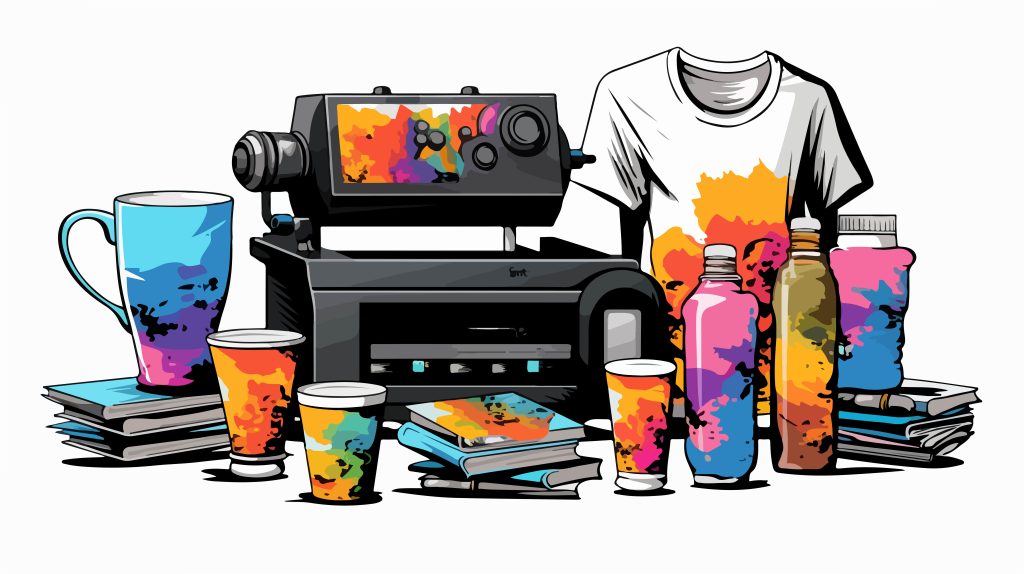
In the dynamic world of custom designs, **UV DTF printing** stands out as a revolutionary technique that reinvents traditional printing methods like screen printing. By utilizing innovative ultraviolet-curable inks, this method allows vibrant designs to be transferred onto a variety of materials with remarkable precision and durability. Dreamed up for versatility, UV DTF printing caters to diverse substrates, from textiles to metals, delivering stunning results that outshine those achievable through older printing techniques. With its quick turnaround and the ability to produce high-quality, long-lasting prints, this modern printing solution is rapidly gaining traction amidst graphic designers and businesses alike. As we delve into the nuances of UV DTF printing versus traditional methods, it’s essential to understand the unique advantages that set this approach apart in today’s competitive market.
When exploring contemporary printing options for bespoke creations, the conversation often shifts towards advanced techniques such as **direct-to-film (DTF) printing with ultraviolet inks**. This method, characterized by its innovative approach to image transfer, offers flexibility and durability unmatched by conventional methods. It allows creators to achieve intricate designs on a range of materials, making it a preferred choice for modern applications. Compared to older printing techniques, the advantages of using DTF technology are becoming increasingly apparent, especially regarding efficiency and material compatibility. As businesses seek to elevate their printing capabilities, understanding these advanced techniques becomes essential for staying ahead in the creative landscape.
The Rising Popularity of UV DTF Printing in Custom Designs
In recent years, **UV DTF printing** has surged in popularity among businesses engaged in custom design projects. This innovative method offers a unique solution for printing on various substrates, making it a versatile choice for designers. Unlike traditional methods, UV DTF printing utilizes ultraviolet light to cure inks, allowing prints to maintain their brightness and detail across diverse materials. This flexibility provides businesses the ability to expand their product range without investing in multiple printing technologies.
Moreover, the rapid advancements in UV printing technology have significantly enhanced the quality and efficiency of the printing process. With faster setup times and the capability to produce intricate designs with vibrant colors, **UV DTF printing** caters well to market demands for quick turnaround times and high-quality output. As the demand for customized products continues to grow, this printing method is poised to become a staple in the industry, particularly for small to medium enterprises looking to differentiate themselves.
Comparing UV DTF Printing and Traditional Methods
When evaluating **UV DTF printing** against traditional printing methods like screen printing, several factors come into play. One important consideration is the cost structure; while traditional methods, especially screen printing, are often more affordable for large runs, UV DTF can shine in short-run scenarios where the setup costs can be a drawback for conventional techniques. Additionally, UV DTF printing eliminates the need for extensive screen creation, reducing overall time and expenses associated with smaller orders.
Another notable difference lies in the material compatibility of each method. Traditional screen printing works best on textiles but can struggle with non-fabric surfaces. In contrast, UV DTF printing excels across a wider array of materials, including glass, metal, and plastic, thereby supporting more creative freedom in custom design projects. This capability ensures that businesses can cater to diverse demands from clients seeking unique promotional items or personalized gifts.
Understanding the Advantages of UV Printing Technologies
One of the most significant **UV printing advantages** is its ability to produce highly durable prints that resist scratches, fading, and wear over time. This durability makes UV DTF printing especially attractive for products that require longevity and resilience, such as outdoor signage, promotional materials, or customized gifts. As businesses increasingly focus on quality, UV DTF emerges as a leading option for both aesthetics and functionality.
Additionally, UV DTF printing offers rapid production capabilities, making it especially valuable for time-sensitive projects. With faster curing times and the capacity to print multiple designs in one run, businesses can meet tight deadlines without compromising on quality. The combination of durability and speed positions UV DTF printing as a smart investment for companies looking to increase their market competitiveness while satisfying customer expectations.
The Challenges of UV DTF Printing
Despite its many benefits, **UV DTF printing** does come with challenges that businesses must consider. The initial investment in UV DTF printers often represents a barrier to entry for smaller companies. The high cost of specialized equipment and inks can be daunting, especially for startups and small operations that have finite budgets. However, the long-term savings generated from reduced production times and increased material compatibility may offset this initial expense.
Moreover, operating UV printing technology may require skilled personnel familiar with the intricacies of the process. Unlike traditional printing, which often relies on simpler manual techniques, UV DTF demands technical knowledge for set-up, maintenance, and troubleshooting. Businesses must weigh the costs of hiring trained staff or investing in training existing employees to ensure optimal use of this technology.
Traditional Printing Methods: Pros and Cons
While modern techniques like **UV DTF printing** are gaining traction, traditional printing methods such as screen printing have their own unique advantages. For instance, traditional methods are typically more economical for larger volume orders, as the setup costs are crucially distributed across a greater number of items, resulting in lower per-unit prices. This cost-effectiveness makes traditional printing a pragmatic choice for businesses focused on high-volume production runs.
However, traditional printing does come with limitations. It often lacks the versatility seen in UV DTF printing when it comes to printing on diverse materials beyond fabrics. Furthermore, the labor-intensive setup process for screen printing can lead to longer production times, making it less suitable for quick-turnaround projects. As a result, while traditional methods remain valuable, they may not align with the evolving demands of the current market where customization and speed are key.
Future Trends in Printing Technologies
The landscape of custom printing is rapidly changing, driven by technological advancements in UV DTF and other modern printing methods. As industries explore eco-friendly alternatives, UV printing technologies are emerging as a favorable option due to their lower environmental impact. This shift reflects a growing awareness among consumers and businesses about sustainability, further boosting the appeal of UV DTF printing.
In addition, the ongoing developments in ink formulations and printer capabilities are set to transform the efficiency of UV DTF printing. Innovations such as higher resolution printing, faster speeds, and enhanced durability indicate a promising future for this technique, solidifying its place in the custom design realm. As businesses adapt to the evolving landscape, keeping abreast of these trends will be crucial for maximizing the advantages of both traditional and modern printing methods.
Frequently Asked Questions
What is UV DTF printing and how does it differ from traditional printing methods?
**UV DTF printing**, or Direct to Film printing, utilizes ultraviolet-curable inks to transfer designs onto various substrates. Unlike traditional printing methods such as screen printing, which require physical stencils, UV DTF allows for direct print application on multiple surfaces, offering greater versatility and quality for custom designs.
What are the main advantages of using UV DTF printing for custom designs?
**UV DTF printing** provides several advantages, including exceptional versatility to print on diverse materials (textiles, glass, metal, etc.), remarkable durability against scratching and fading, and faster production speed compared to traditional printing techniques. This makes it ideal for both large and small scale custom projects.
Can UV DTF printing be used on all types of materials, unlike traditional printing?
Yes, one of the key benefits of **UV DTF printing** is its compatibility with a wide range of materials. While traditional printing methods like screen printing may not perform well on surfaces such as plastics or metals, UV DTF excels in versatility, allowing for custom designs on almost any substrate.
How does the cost of UV DTF printing compare to traditional screen printing?
While **UV DTF printing** offers high-quality results, it can have higher initial setup costs due to the specialized equipment required. In contrast, traditional printing, especially screen printing, is often more cost-effective for large runs, as the unit costs decrease with volume. However, UV DTF’s efficiency and quality may justify the investment for smaller or custom orders.
What specialized skills are needed for operating UV DTF printing compared to traditional printing techniques?
Operating **UV DTF printing** equipment often requires a skilled technician familiar with the intricacies of UV curing technologies. In contrast, traditional printing methods, like screen printing, are generally simpler and may require less technical expertise, making them more accessible for businesses with limited resources.
What environmental benefits does UV DTF printing have over traditional printing methods?
**UV DTF printing** is considered more environmentally friendly compared to traditional printing techniques, as it typically results in less waste and lower emissions of volatile organic compounds (VOCs). This makes UV DTF a greener choice for custom designs, aligning with sustainability goals in the printing industry.
| Feature | UV DTF Printing | Traditional Printing |
|---|---|---|
| Versatility | Can print on various materials, including textiles, glass, metal, and plastic. | Primarily effective on textiles, limited performance on non-fabric surfaces. |
| Durability | Inks are resistant to scratching and fading, ensuring longevity of prints. | Less resistant to wear and tear, primarily suited for single-use items. |
| Speed | Generally faster production times, ideal for short runs and urgent orders. | Longer setup and production time, less ideal for quick requests. |
| Cost | Higher initial setup costs; suitable for businesses ready to invest. | Cost-effective for large runs due to lower unit costs. |
| Technical Skills Required | Requires skilled operators familiar with UV technology. | Simpler to operate, accessible for those with basic skills. |
Summary
UV DTF printing is a revolutionary technique for custom designs that combines high-quality results with remarkable versatility. Unlike traditional printing methods, UV DTF printing allows for direct application on various substrates, ensuring durability and rapid turnaround times. As businesses explore their options, understanding the specific advantages and potential drawbacks of UV DTF compared to traditional methods becomes essential. The adaptability and advancements in UV DTF technology are reshaping the printing landscape, making it an attractive choice for a diverse array of projects.